
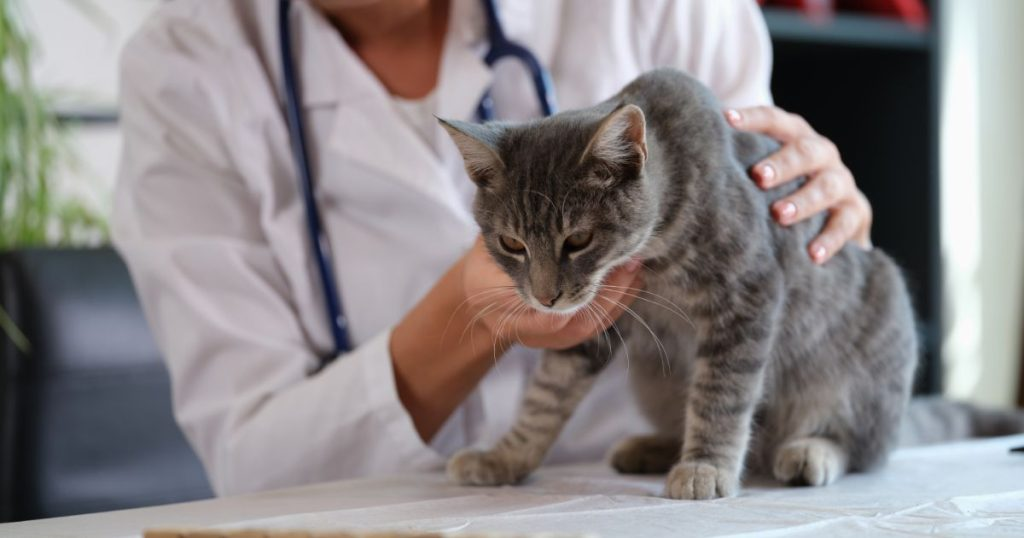
Cats are experts at hiding discomfort. It’s hardwired into their nature, in the wild, showing weakness makes an animal vulnerable, and domestic cats haven’t lost that instinct despite centuries of comfortable indoor living. The result is that by the time a cat shows obvious signs of cat illness, the condition has often already progressed further than most owners realize.
Table of Contents
- 1. Dental Disease
- 2. Kidney Disease
- 3. Hyperthyroidism
- 4. Urinary Tract Disease
- 5. Obesity and Its Downstream Effects
- 6. Respiratory Infections
- Frequently Asked Questions
- How often should I take my cat to the vet if they seem healthy?
- What’s the single most important thing I can do for my cat’s health?
- My cat is eating well and seems active. Does that mean they’re healthy?
- At what age should I start worrying about kidney disease in my cat?
- How do I know if my cat is overweight?
- The Bottom Line
That’s why knowing what to look for, before things become obvious, is one of the most valuable skills a cat owner can develop. The earlier a health problem is caught, the more treatment options are available and the better the outcome tends to be.
If something feels off with your cat, don’t wait for symptoms to become undeniable. A quick visit to a vet hospital near you can provide clarity and peace of mind, and in many cases, catch something important before it becomes serious.
Here are the most common health problems in cats and the early signs to watch for.
1. Dental Disease
Dental disease is arguably the most widespread health issue in domestic cats, and one of the most consistently overlooked. Studies suggest that the majority of cats over three years of age show some degree of dental disease, yet most owners never think to check their cat’s teeth between vet visits.
The problem starts with plaque buildup that hardens into tartar, leading to gingivitis and eventually periodontal disease. Left untreated, dental disease causes chronic pain, difficulty eating, tooth loss, and in severe cases, bacterial spread to internal organs.
Early signs to watch for:
- Bad breath that seems worse than usual
- Pawing at the mouth or face
- Dropping food while eating or eating on one side only
- Drooling more than normal
- Visible redness or swelling along the gum line
- Reluctance to eat hard food
Annual dental checkups and professional cleanings are the most effective way to stay ahead of dental disease, and catching it early makes treatment significantly more straightforward.
2. Kidney Disease
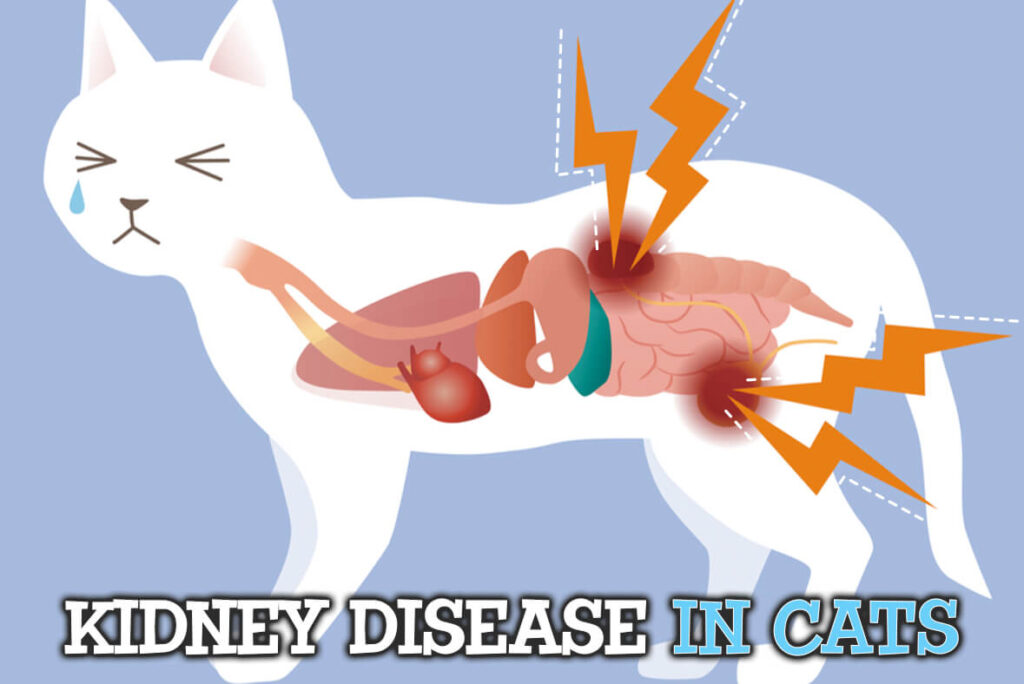
Chronic kidney disease is one of the leading causes of illness and death in older cats. The kidneys filter waste from the blood, regulate hydration, and maintain electrolyte balance, and when they start to fail, the effects ripple through the entire body.
What makes kidney disease particularly tricky is that cats can lose a significant portion of kidney function before any visible symptoms appear. By the time the classic signs show up, the disease has often been quietly progressing for months or years.
Early signs include increased thirst and more frequent urination, changes that are easy to miss if you’re not actively monitoring your cat’s water intake and litter box habits. Weight loss, reduced appetite, lethargy, and a dull coat follow as the condition advances. Vomiting and mouth ulcers can appear in later stages.
Regular blood and urine testing at annual vet visits is the most reliable way to detect kidney disease early, before symptoms become visible. For cats over seven years of age, twice-yearly checkups are increasingly recommended.
3. Hyperthyroidism
Hyperthyroidism, an overactive thyroid gland, is the most common hormonal disorder in older cats. It occurs when the thyroid produces excess hormones, throwing metabolism into overdrive. While it’s most common in cats over ten years old, it can develop earlier.
The paradox of hyperthyroidism is that affected cats often look energetic and eat well, sometimes ravenously. It’s easy to interpret weight loss alongside a good appetite as just “getting older” when it’s actually a clear clinical sign that warrants investigation.
Early signs include unexplained weight loss despite normal or increased appetite, increased thirst and urination, hyperactivity or restlessness, and a scruffy or unkempt coat. Vomiting, diarrhea, and increased vocalization, particularly at night, can also appear.
The good news is that hyperthyroidism is very manageable when caught early. Treatment options include medication, dietary therapy, radioactive iodine treatment, and surgery, and most cats respond well when the condition is addressed promptly.
Top 5 Health Tips for Your Dog and How to Find the Best Veterinary Care
Why Dog Vaccinations Are Crucial for Your Pet’s Health in Encino
4. Urinary Tract Disease
Feline lower urinary tract disease, FLUTD, covers a range of conditions affecting the bladder and urethra, and it’s extremely common in domestic cats, particularly males. Stress, diet, dehydration, and obesity are all contributing factors.
Symptoms can range from mild discomfort to a genuine emergency. Male cats are at particular risk of urinary blockages, which can become life-threatening within 24 to 48 hours if untreated.
Early signs include frequent visits to the litter box with little or no urine produced, straining or crying during urination, blood in the urine, and excessive grooming of the genital area. A cat that suddenly stops using the litter box or starts urinating in unusual places is often communicating discomfort rather than misbehaving.
Any cat showing signs of straining without producing urine should be seen by a vet immediately. This is one situation where waiting is genuinely dangerous.
5. Obesity and Its Downstream Effects
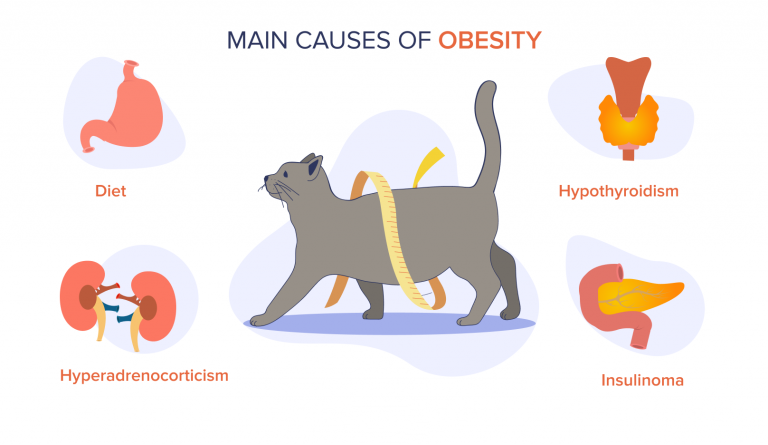
Obesity in cats has reached significant levels in many countries, and it’s more serious than it might appear. Excess weight puts pressure on joints, increases the risk of diabetes, contributes to urinary issues, and reduces overall life expectancy.
The challenge is that weight gain in cats tends to be gradual, so gradual that many owners don’t notice until the problem is already established. A cat that looks “a little chubby” may already be at a weight that’s impacting their health.
Early signs of weight-related issues include reluctance to jump or play, difficulty grooming hard-to-reach areas, visible fat deposits around the abdomen and base of the tail, and laboured breathing after mild exertion. Weight management in cats requires a combination of an appropriate diet, measured portions, and regular activity, and your vet is the best person to guide that process based on your cat’s specific situation.
6. Respiratory Infections
Upper respiratory infections are common in cats, particularly those that have had contact with other cats, either through outdoor exposure, multi-cat households, or shelter environments. Feline Herpesvirus and Calicivirus are the most frequent culprits, and both can cause recurring flare-ups throughout a cat’s life once contracted.
Early signs include sneezing, nasal discharge, watery eyes, mild fever, and reduced appetite. Most cases in otherwise healthy, vaccinated cats are manageable, but kittens, senior cats, and immunocompromised cats can develop more serious complications if left untreated.

Don’t wait until your cat is visibly unwell to take action. At Encino Pet Hospital and Emergency, our experienced veterinary team is here to help you stay ahead of your cat’s health every step of the way. Get directions here and bring your feline friend in today — early care always makes the biggest difference.
Frequently Asked Questions
How often should I take my cat to the vet if they seem healthy?
Once a year at a minimum. Many conditions, including kidney disease and hyperthyroidism, develop without visible symptoms, and annual checkups are the most reliable way to catch them early.
What’s the single most important thing I can do for my cat’s health?
Build a relationship with a consistent vet and show up for annual wellness visits even when your cat seems perfectly fine. Early detection dramatically changes outcomes for almost every common feline health condition.
My cat is eating well and seems active. Does that mean they’re healthy?
Not necessarily. Hyperthyroidism, early kidney disease, and dental pain can all coexist with apparently normal behavior. A healthy appearance is reassuring but not a substitute for professional assessment.
At what age should I start worrying about kidney disease in my cat?
It’s worth discussing kidney screening with your vet from around age 7. Many vets recommend baseline blood and urine testing at this point, so any changes can be tracked over time.
How do I know if my cat is overweight?
You should be able to feel your cat’s ribs without pressing hard, but not see them prominently. A visible waist from above and a slight abdominal tuck from the side indicate a healthy weight. Your vet can assess body condition score at any visit.
The Bottom Line
Most of the health problems cats face are either preventable, manageable, or significantly more treatable when caught early. The obstacle is that cats don’t make it easy; their instinct to hide discomfort means the window between “fine” and “seriously unwell” can close faster than owners expect.
Knowing the early signs, staying consistent with annual vet visits, and trusting your instincts when something feels off are the three things that make the biggest difference. Your cat can’t tell you when something’s wrong, but the signs are there if you know what to look for.


