Modern computing environments are evolving rapidly due to the growth of artificial intelligence, cloud computing, and high-density workloads. As these technologies advance, managing heat efficiently has become a critical engineering priority. This is where cooling distribution systems play an essential role in maintaining stability, performance, and long-term reliability. These systems are becoming the foundation of next-generation data center cooling systems, ensuring that servers and high-performance equipment operate within safe temperature ranges.
Table of Contents
- What Are Cooling Distribution Systems?
- How Cooling Distribution Systems Work
- Why Cooling Distribution Systems Matter?
- Key Components of Cooling Distribution Systems
- Benefits of Advanced Cooling Distribution Systems
- Cooling Distribution Systems in Modern Data Centers
- Role in Advanced Thermal Management Systems
- Industry Innovation and Engineering Excellence
- Best Practices for Optimizing Cooling Performance
- Conclusion
What Are Cooling Distribution Systems?
Core Function in Modern Infrastructure
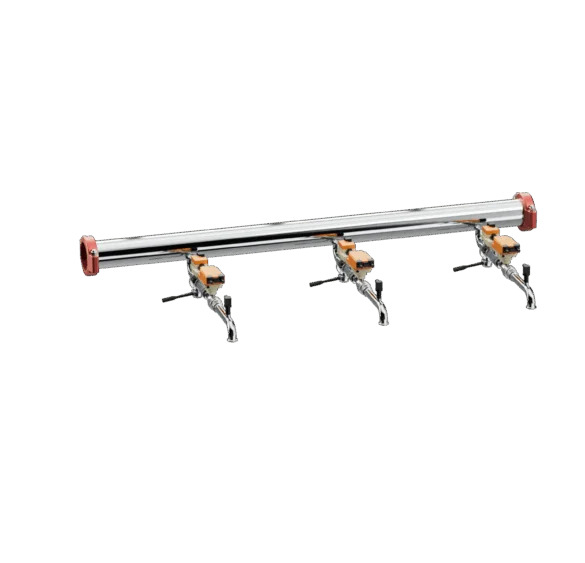
At their core, cooling distribution systems are engineered to circulate coolant efficiently through IT environments. They regulate temperature by dissipating heat from critical components and ensuring balanced thermal performance throughout the system. These systems are a key part of advanced coolant circulation systems, which help maintain consistent cooling across servers, racks, and high-density compute environments.
Role in Data Center Operations
In modern infrastructure, it serves as the central nervous system of thermal management. They connect cooling units, pumps, and heat exchangers to ensure seamless heat transfer and stable operation under heavy workloads.
How Cooling Distribution Systems Work
Heat Transfer and Liquid Circulation
The process begins when heat is generated by servers and high-performance processors. It absorb this heat through liquid cooling loops and transport it to external heat exchangers. This controlled coolant flow ensures that heat is efficiently removed from sensitive equipment, improving system stability and reducing thermal stress.
Integration with Cooling Infrastructure
A modern data center cooling systems rely heavily on integration between multiple components. The cooling distribution systems connect cold plates, coolant reservoirs, and monitoring units to ensure optimized performance. This integration allows seamless operation across large-scale computing environments where consistent temperature control is critical.
Why Cooling Distribution Systems Matter?
Improving Energy Efficiency
One of the biggest advantages of cooling distribution systems is their ability to reduce energy consumption. By using targeted liquid cooling, they minimize the need for traditional air-based cooling methods. This makes coolant circulation systems significantly more efficient in managing heat loads while reducing operational costs.
Supporting High-Density Computing
As computing density increases, traditional cooling methods struggle to keep up. They are designed specifically to support high-performance environments such as AI clusters and cloud infrastructure. These thermal management systems ensure that even under heavy workloads, industrial equipment remains stable and protected.
Key Components of Cooling Distribution Systems
Pumping and Flow Control Units
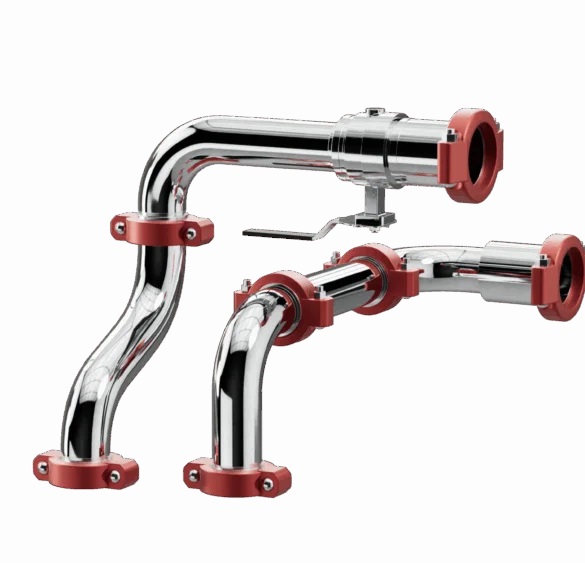
Pumps are responsible for circulating coolant throughout the system. In cooling distribution systems, flow control is essential for maintaining balanced thermal performance.
Heat Exchange Modules
Heat exchangers transfer absorbed heat away from the coolant before it is recirculated. This ensures consistent temperature regulation in advanced data center cooling systems.
Monitoring and Control Sensors
Modern systems include sensors that track temperature, pressure, and flow rates. These components enhance the efficiency of coolant circulation systems and improve reliability.
Benefits of Advanced Cooling Distribution Systems
- Enhanced System Reliability: By maintaining consistent temperature levels, its reduce the risk of overheating and hardware failure. This improves long-term system reliability.
- Scalability for Future Growth: Modern infrastructure demands flexible solutions. These thermal management systems can scale alongside expanding computing environments without major redesign.
- Reduced Operational Costs: Efficient heat management reduces energy use, lowering operating expenses in large-scale data center cooling systems in Canada.
Cooling Distribution Systems in Modern Data Centers
Today’s data centers require highly efficient cooling technologies to support AI workloads and high-performance computing. They are now a core part of infrastructure planning because they enable stable and predictable cooling performance. Without them, managing heat in dense computing environments would be significantly more challenging. Organizations adopting advanced coolant circulation systems are better positioned to handle future computing demands while maintaining energy efficiency.
Role in Advanced Thermal Management Systems
Modern thermal management systems are no longer just about cooling; they are about optimization, efficiency, and sustainability. It ensures precise control of thermal conditions, thereby reducing environmental impact and improving computing efficiency. This makes them a key technology in future-ready infrastructure design.
Industry Innovation and Engineering Excellence
As computing demands continue to rise, innovation in cooling technology becomes essential. Leading companies like CoolIT Systems are advancing liquid cooling solutions that enhance performance, scalability, and reliability in data centers. Their engineering approach focuses on improving cooling distribution systems to support next-generation workloads, including AI and HPC environments.
Best Practices for Optimizing Cooling Performance
- Regular System Monitoring: Continuous monitoring ensures cooling distribution systems operate at peak efficiency and helps identify potential issues early.
- Efficient Infrastructure Design: Proper system design improves the performance of coolant circulation systems and reduces energy waste.
- Scalable Deployment Strategy: Planning for scalability ensures thermal management systems can scale with increasing workload demands.
FAQs
What are cooling distribution systems used for?
They are used to circulate coolant efficiently across computing environments, ensuring stable temperature control in data center cooling systems.
How do cooling distribution systems improve efficiency?
They reduce reliance on air cooling by using liquid-based heat transfer, making coolant circulation systems more energy-efficient.
Are cooling distribution systems necessary for AI workloads?
Yes, AI workloads generate high heat levels, making thermal management systems essential for performance and reliability in Canada.
What industries use cooling distribution systems?
They are widely used in data centers, cloud computing, AI infrastructure, and high-performance computing environments.
Conclusion
Cooling distribution systems are a fundamental component of modern computing infrastructure. They enable efficient heat management, improve system reliability, and support scalable growth in high-performance environments. Organizations investing in advanced liquid cooling technologies today are building the foundation for more efficient, sustainable, and future-ready digital infrastructure. Visit us on the MAP to your nearest consultation support and discover how advanced thermal engineering can optimize your data center performance.