Gaps between front teeth are common and don’t always indicate a dental problem. However, some people prefer a more even, symmetrical smile. For those exploring veneer options in Century City, cosmetic restorations may help conceal minor spacing without physically moving the natural teeth. These custom-made coverings can improve tooth shape, width, and overall appearance. Understanding the procedure, its limitations, and alternative solutions can help patients make informed decisions about their oral health.
Table of Contents
- How Veneers in Century City Help Conceal Dental Gaps
- Common Reasons for Gaps Between Teeth
- How Porcelain Restorations Improve Smile Appearance
- Who May Benefit From Cosmetic Gap Closure?
- Understanding the Dental Veneer Procedure
- Comparing Cosmetic and Orthodontic Solutions
- Essential Aftercare for Long-Lasting Results
- Factors Affecting the Cost of Cosmetic Restorations
- Choosing a Qualified Cosmetic Dental Provider
- Conclusion
How Veneers in Century City Help Conceal Dental Gaps
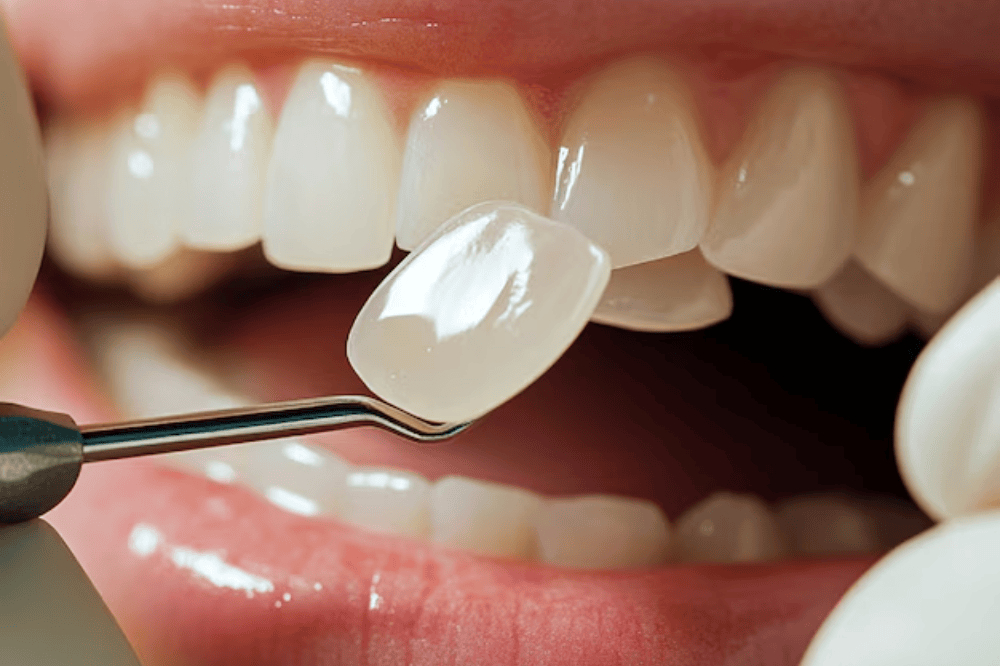
Patients researching veneers in Century City services often want to understand how cosmetic dentistry addresses visible spaces. Dental veneers are thin porcelain or composite coverings bonded to the front surfaces of natural enamel. They improve the appearance of individual teeth by adjusting their visible dimensions and contours. A space between adjacent teeth is called a diastema. This condition frequently occurs between the upper front incisors but may develop elsewhere.
Cosmetic restorations conceal smaller gaps by increasing the visible width of neighbouring surfaces. Unlike orthodontic appliances, they do not physically reposition the underlying structures.
For example, two naturally narrow incisors may leave a noticeable opening. Carefully designed ceramic shells can improve their proportions and create a more balanced appearance.
However, larger spaces or complex alignment concerns may require another approach.
Common Reasons for Gaps Between Teeth
Understanding the cause of unwanted spacing helps determine the most appropriate corrective method.
Several factors may contribute to this condition:
- Genetics: Inherited differences in jaw development and dental anatomy can influence spacing.
- Small incisors: Narrower crowns may leave visible openings.
- Missing teeth: Tooth loss can sometimes allow neighboring structures to shift.
- Periodontal disease: Advanced gum problems can weaken supporting tissues.
- Tongue pressure: Persistent oral habits may affect alignment.
- Frenum attachment: A prominent tissue connection between the upper lip and gums can contribute to a central gap.
Not every space requires correction. Nevertheless, newly developing or widening gaps should receive professional evaluation, particularly when accompanied by bleeding gums or tooth mobility.
How Porcelain Restorations Improve Smile Appearance
Custom ceramic coverings can address several cosmetic concerns while maintaining a natural-looking result. Successful planning considers facial features, enamel color, and overall smile proportions.
Adjusting Width and Shape
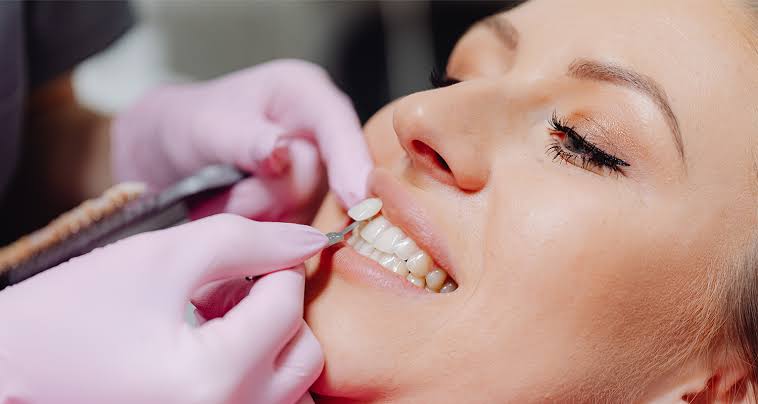
Patients considering expert porcelain veneers in Century City may benefit from personalized adjustments to undersized or uneven front incisors.
A dentist evaluates the existing space and determines how much additional width can be introduced without creating bulky-looking restorations.
For smaller openings, distributing adjustments between two neighboring crowns may produce a more harmonious appearance than modifying one side alone.
Matching Natural Enamel Color
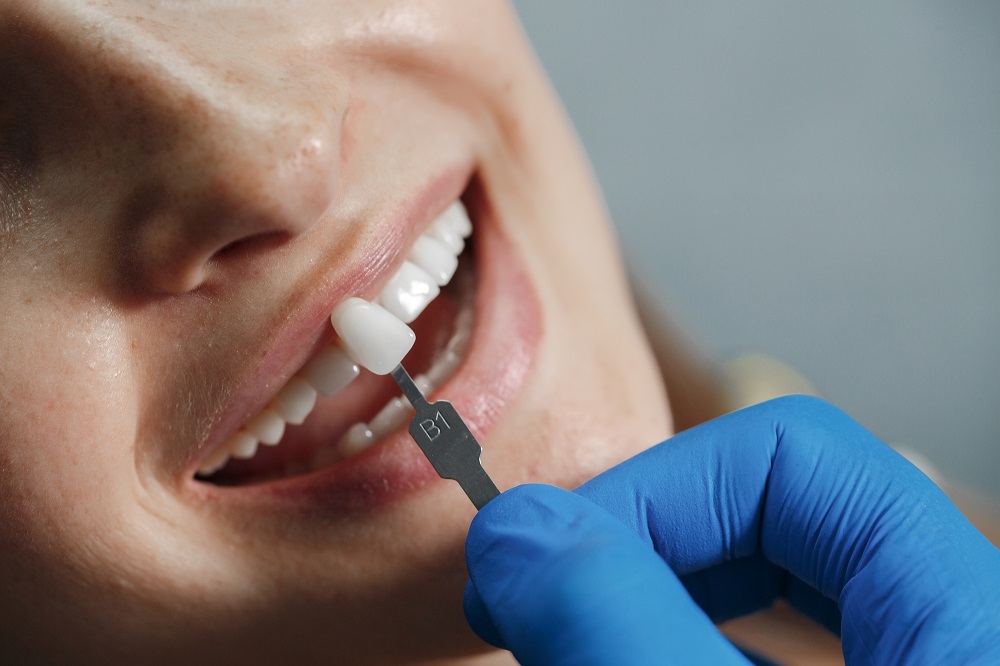
Dental porcelain can closely resemble the shade and translucency of healthy enamel.
During planning, the selected color should complement surrounding surfaces and the patient’s preferences.
If whitening is also desired, it is generally completed beforehand because ceramic restorations do not respond to bleaching agents like natural enamel.
Maintaining Proper Proportions
A balanced smile involves more than eliminating a visible opening.
Dentists also consider crown length, gumline symmetry, bite relationships, and neighboring structures. These details help preserve a natural appearance and comfortable function.
Century Smile Maker offers personalized porcelain veneer treatments in Century City, Los Angeles. Explore cosmetic options to conceal gaps between teeth, improve smile symmetry, and achieve a natural-looking, confident smile.
Who May Benefit From Cosmetic Gap Closure?
Individuals with healthy gums and minor spacing concerns may be suitable candidates for this procedure. Consulting a dentist in Century City allows patients to receive recommendations based on their oral condition.
Potential candidates often have:
- Small spaces between healthy front incisors
- Naturally narrow or undersized crowns
- Minor differences in shape or symmetry
- Adequate natural enamel
- Realistic cosmetic expectations
However, active gum disease, untreated cavities, significant misalignment, or certain bite problems may make this approach unsuitable.
Conventional porcelain restorations also typically require some enamel removal. Because this natural protective layer does not regenerate, the procedure is generally irreversible.
A thorough examination helps determine whether a more conservative solution would better preserve long-term oral health.
Understanding the Dental Veneer Procedure
The process generally involves an initial assessment, personalized design, preparation, and final placement.
Initial Consultation
During the first appointment, a professional dentist in Los Angeles examines the patient’s gums, bite, and overall oral condition.
Photographs, digital scans, or impressions may help identify the extent of spacing and guide planning. The dentist should address existing problems, including decay or inflammation, before starting cosmetic work.
Smile Design and Preparation
The dentist discusses the desired appearance and evaluates appropriate crown dimensions. Digital previews or temporary mock-ups may help demonstrate possible results before permanent changes are made.
For conventional ceramic shells, the dentist typically removes a small amount of enamel. Impressions then guide the fabrication of customized restorations.
Final Placement
Once fabrication is complete, the dentist checks the color, contours, and fit as part of overall dental care.
The dentist bonds the restorations to prepared surfaces using dental adhesive materials. Bite adjustments may follow to support comfortable chewing.
Patients receive aftercare guidance before leaving the appointment.
Comparing Cosmetic and Orthodontic Solutions
Different approaches can improve visible spacing, depending on its cause and severity.
| Option | Primary Purpose | Main Consideration |
| Porcelain veneers | Conceal spaces by changing visible contours | Usually irreversible |
| Composite bonding | Add tooth-colored resin to small openings | May require periodic repairs |
| Clear aligners | Gradually reposition misaligned teeth | Require consistent wear |
| Traditional braces | Correct spacing through controlled movement | Generally involve longer care |
Composite bonding may be preferable for small openings when preserving natural structure is a priority.
Orthodontic care may provide better results when alignment or bite relationships cause the spacing. A professional assessment can clarify which approach best balances appearance, function, and long-term maintenance.
Essential Aftercare for Long-Lasting Results
Good daily habits help protect both cosmetic restorations and the natural structures underneath. Although porcelain resists many common stains, it can still chip, loosen, or wear over time.
Recommended habits include:
- Brush twice daily using fluoride toothpaste and a soft-bristled toothbrush.
- Floss regularly around restoration margins.
- Avoid chewing ice or biting hard objects.
- Discuss protective nightguards if grinding is a concern.
- Attend routine examinations and professional cleanings.
Porcelain restorations commonly last approximately 10–15 years, although individual longevity varies.
Maintaining healthy gums is particularly important because recession can expose restoration margins and affect the overall appearance.
Factors Affecting the Cost of Cosmetic Restorations
The total expense depends on the number of restorations, materials selected, laboratory requirements, and the complexity of each case. Patients searching for an affordable dentist in Century City should compare comprehensive care plans rather than focusing exclusively on initial pricing.
Additional considerations include diagnostic procedures, preliminary dental work, and potential replacement expenses. Because insurance may not cover the full cost, providers often classify these procedures as cosmetic.
Requesting a written estimate before proceeding can help patients plan their budget and understand available payment options.
Choosing a Qualified Cosmetic Dental Provider
Selecting a dental professional involves evaluating clinical experience, communication, and the approach to personalized planning. People searching for porcelain veneers near them should look beyond promotional photographs and consider whether the provider explains risks, limitations, and available alternatives.
Century Smile Maker offers porcelain veneer services in Century City, Los Angeles. Patients can discuss concerns about unwanted spacing and explore options that fit their oral health needs.
Evaluating Veneers Century City Options
When comparing Century City veneer providers, prioritize comprehensive examinations and realistic recommendations.
A qualified professional should explain whether cosmetic modifications can safely conceal the space or whether orthodontic movement is a better solution.
Preserving healthy enamel and maintaining comfortable bite function should remain central to the decision.
Frequently Asked Questions
Can porcelain coverings eliminate gaps between front teeth?
They can visually conceal certain small spaces by adjusting crown width and contours. However, they do not physically move neighboring teeth together.
Can gaps be corrected without braces?
Yes. Cosmetic bonding and ceramic coverings may address minor spacing without orthodontic appliances. Larger openings or alignment problems may require tooth movement.
Is the procedure painful?
Most patients experience limited discomfort. Dentists may use local anesthesia during preparation, and temporary sensitivity can occur afterward.
How long do porcelain restorations last?
They commonly remain functional for 10–15 years, sometimes longer. Longevity depends on oral hygiene, biting forces, and individual habits.
Can cavities develop beneath cosmetic coverings?
Yes. Natural enamel can still develop decay around restoration edges or uncovered areas. Proper cleaning and routine examinations remain essential.
Is bonding better for small gaps?
Bonding may be a more conservative and initially less expensive choice for minor spacing. Ceramic restorations generally offer greater stain resistance but require a different level of preparation.
Conclusion
Small dental gaps are often harmless, but some individuals prefer a more uniform smile. Cosmetic restorations can conceal certain spaces by improving visible crown dimensions and overall proportions. However, success depends on identifying the cause of the opening, evaluating oral health, and choosing an appropriate procedure. For patients considering veneers in Century City options, a professional consultation can help determine whether porcelain coverings, composite bonding, or orthodontic care best supports their goals.
Considering a cosmetic solution for gaps between your front teeth? Century Smile Maker in Los Angeles offers personalized smile enhancement options to help you explore suitable treatments. Get Directions to Century Smile Maker to plan your visit.