Table of Contents
- Start With an Examination, Not a Guess
- What Could Cause a Lump on a Cat?
- When Should You Arrange Prompt Care?
- What Is a Fine-Needle Aspirate?
- When Is a Biopsy Needed?
- Why Not Simply Remove Every Lump Immediately?
- Are Lumps Near a Cat’s Nipples Different?
- What About a Lump After an Injection?
- Will Blood Tests or Imaging Be Needed?
- What Should You Ask Before Surgery?
- What Happens After the Lump Is Removed?
- Get Answers Before Choosing Treatment
- Frequently Asked Questions
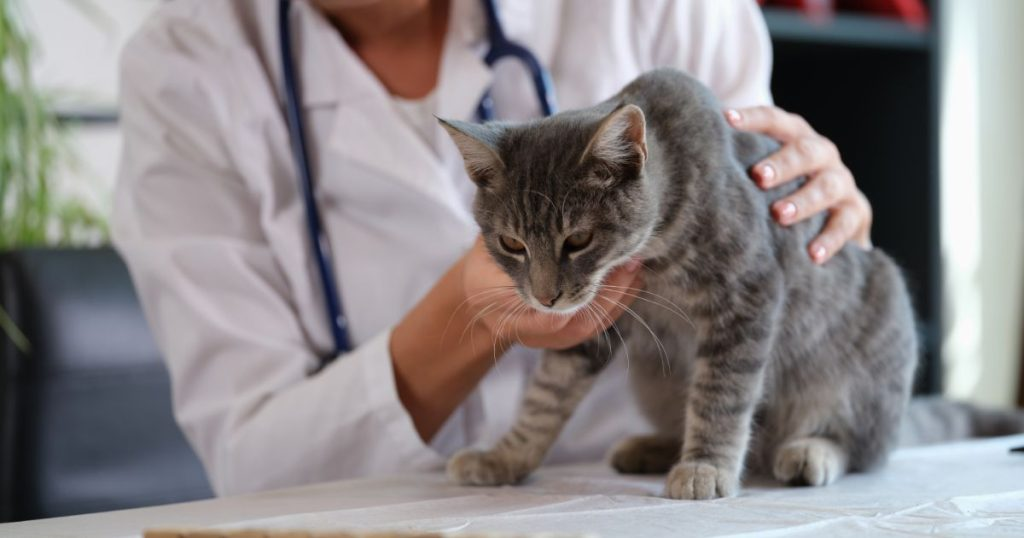
A lump on your cat needs veterinary assessment, but it does not automatically require surgery. Examination and sampling help identify the cause. Surgery may follow when removal is appropriate or tissue is needed for diagnosis. Appearance and touch alone cannot reliably distinguish a harmless lump from cancer.
You might discover a small bump while brushing your cat or scratching behind their ears. Finding it can feel alarming.
Before assuming the worst, arrange an examination. The important question is what the lump represents and how that affects treatment.
Start With an Examination, Not a Guess
A lump may involve the skin, tissue underneath it, or another structure. Its location helps guide the assessment.
When consulting a veterinarian in Encino, explain when you first noticed the change. Mention whether it has grown or affected your cat’s behavior.
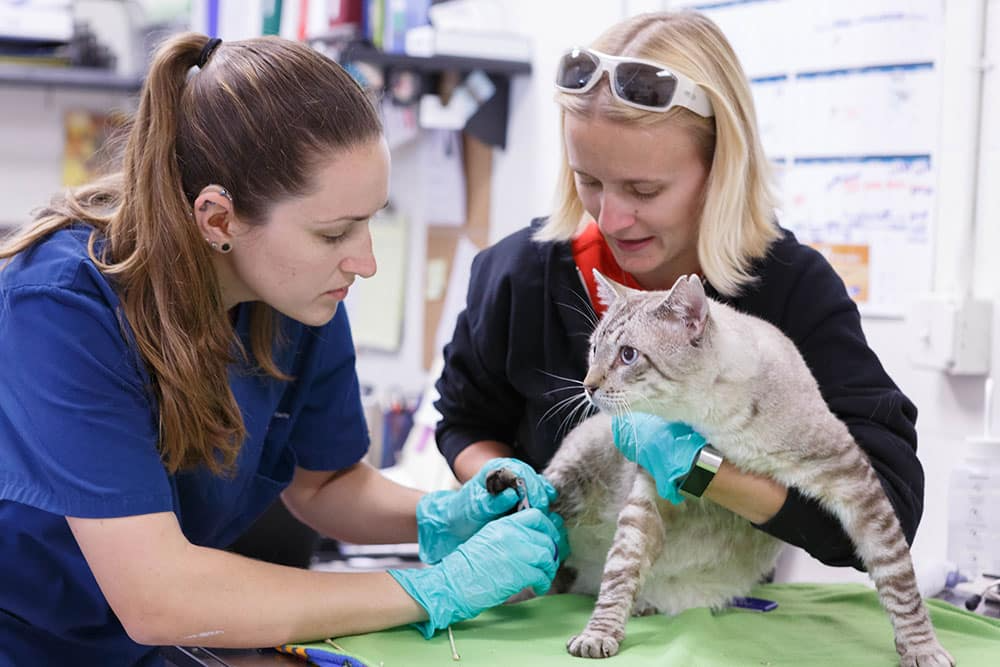
The veterinarian may measure the lump and assess nearby tissues. They also review your cat’s health and medical history.
AAHA’s oncology guidance emphasizes obtaining a diagnosis to guide treatment planning. A lump’s size or feel cannot provide every answer.
Avoid assuming a soft lump is harmless or a firm lump is cancerous. Those impressions need professional investigation.
What Could Cause a Lump on a Cat?
Not every swelling is a tumor. Infection, inflammation, fluid accumulation, and abnormal tissue growth can produce different types of lumps.
An abscess is a pocket of pus associated with infection. It may require treatment that differs from tumor removal.
A swollen ear flap can represent a hematoma, which involves accumulated blood. The underlying ear problem also needs attention.
Tumors can be benign or malignant. Benign means noncancerous; malignant tumors can invade surrounding tissue or spread.
These possibilities cannot be sorted reliably at home. An examination helps determine which tests are useful.
Do not squeeze, puncture, or repeatedly press the lump. Ask the clinic how to prevent scratching or licking if needed.
When Should You Arrange Prompt Care?
Book an examination when you discover a new lump. Ask the clinic about urgency rather than waiting for major changes.
Describe rapid growth, pain, discharge, or interference with eating and movement. Mention any wider changes in your cat’s health.
Useful observations include:
- The date you first noticed the lump.
- Its location and approximate size.
- Whether it has changed since discovery.
- Bleeding, discharge, or broken skin.
- Changes in appetite, weight, or activity.
A photograph with a ruler nearby can help document change. Avoid upsetting your cat to obtain measurements.
Breathing difficulty, collapse, or uncontrolled bleeding needs emergency attention. Do not wait for a routine lump assessment.
What Is a Fine-Needle Aspirate?
A fine-needle aspirate uses a small needle to collect material from a lump. The sample is examined for cells or other findings.
This process may help identify inflammation or particular tumors. However, some samples provide too little information for a clear diagnosis.
AAHA distinguishes cell examination from tissue examination. These approaches answer related but different questions.
Ask what the sample could reveal and how results would influence treatment. Also ask whether sedation might be needed.
An unclear sample does not prove the lump is harmless. The veterinarian may recommend another sample or a biopsy.
When Is a Biopsy Needed?
A biopsy collects tissue for laboratory examination. It can provide information about the tumor type and how the cells behave.
An incisional biopsy removes part of the lump. An excisional biopsy removes the lump itself.
Cornell explains that partial sampling can be useful when the diagnosis would change treatment. Complete removal suits selected circumstances.
When discussing cat surgery in Encino, ask whether the goal is diagnosis, treatment, or both. Clarify why that approach was chosen.
Some lumps need a diagnosis before planning a larger operation. Others may be removed and then submitted for analysis.
The best sequence depends on the suspected condition, location, and available tissue.
Why Not Simply Remove Every Lump Immediately?
Removing a lump without suitable planning can complicate later treatment. Some tumors require more tissue removal than their visible size suggests.
Cornell emphasizes planning biopsy sites and surgical boundaries carefully. The first procedure can affect the options available afterward.
Your veterinarian may therefore recommend testing before surgery. This helps establish whether specialist input or additional imaging would be useful.
Surgical margins are the surrounding tissues removed with a tumor. The required margins depend on the diagnosis.
A bigger incision does not necessarily mean unnecessary surgery. Ask how the planned removal relates to the suspected tumor.
Are Lumps Near a Cat’s Nipples Different?
A lump along the mammary glands deserves prompt assessment. Do not assume it is a minor skin bump.
Cornell reports that approximately 85% of feline mammary tumors are malignant. That statistic applies specifically to mammary tumors, not all lumps.
Testing and treatment planning may involve tissue analysis and assessment for spread. The operation can differ from simple skin-lump removal.
The American College of Veterinary Surgeons describes several diagnostic options for mammary masses. Certain findings can change whether surgery is recommended.
Mention any lump near a nipple when booking. Early assessment helps avoid an unnecessary delay.
What About a Lump After an Injection?
Tell the veterinarian if the lump developed where your cat received an injection. Include the injection date when available.
Some injection-site swellings resolve, but persistent or growing masses need investigation. Feline injection-site sarcomas are uncommon but require careful planning.
Veterinary guidance uses the 3-2-1 rule to identify masses warranting biopsy consideration:
- The lump persists for three months after injection.
- It measures more than two centimeters.
- It grows one month after injection.
Contact your veterinarian when you notice the swelling. These thresholds do not mean you should automatically wait three months.
The rule applies to injection-site masses, not every lump on a cat.

Noticed a lump on your cat? Book an assessment with Encino Pet Hospital & Emergency to discuss testing and treatment.
Will Blood Tests or Imaging Be Needed?
A needle sample or biopsy identifies the lump differently from bloodwork. Normal blood results do not establish that a mass is benign.
Other tests may assess overall health, anesthesia suitability, or possible spread. Your veterinarian selects them according to the findings.
AAHA describes imaging and lymph-node sampling as possible parts of cancer staging. Staging means assessing how far disease extends.
Ask what each investigation could change. Not every cat needs every available test.
When considering pet surgery in Encino, discuss both the lump and your cat’s general condition. Existing illnesses can influence preparation.
What Should You Ask Before Surgery?
Before agreeing to removal, clarify the expected benefits and limitations. Ask whether another treatment or specialist assessment would help.
Confirm whether removed tissue will be submitted for laboratory analysis. Ask how the results could affect follow-up care.
Other useful questions concern anesthesia, pain relief, costs, and recovery support. Request written preparation instructions.
When assessing veterinary surgery near you, consider the whole treatment plan. A procedure price alone may exclude testing or tissue analysis.
Encino Pet Hospital & Emergency provides mass removal, skin biopsies, and monitored anesthesia. A consultation helps determine an appropriate next step.
What Happens After the Lump Is Removed?
The incision may begin healing before the tissue report arrives. Ask when results are expected and who will discuss them.
Laboratory findings can clarify the diagnosis and whether additional treatment is needed. Removal alone does not always finish the process.
For certain tumors, tissue analysis also assesses grade and surgical margins. These findings help guide further decisions.
Follow instructions for medication, activity restrictions, and incision protection. Contact the surgical team if recovery differs from the expected plan.
Keep the follow-up appointment even if your cat seems comfortable. Examination and results review remain important.
Get Answers Before Choosing Treatment
A new lump needs a clear assessment rather than a diagnosis based on appearance. Testing can help determine whether surgery is appropriate.
Ask what is known, what remains uncertain, and which step would provide useful information. Keep copies of reports and treatment instructions.
Concerned about a lump on your cat? Book an assessment with Encino Pet Hospital & Emergency to discuss testing and treatment options.
Frequently Asked Questions
Does every lump on a cat need surgery?
No. Treatment depends on the cause. Examination and sampling help determine whether removal or another approach is appropriate.
Can a vet tell whether a lump is cancerous by touching it?
Not reliably. A needle sample or tissue biopsy may be needed to establish the diagnosis.
Does a painless lump mean it is harmless?
No. Lack of pain does not establish the cause. Arrange assessment for a new or changing lump.
What happens if a needle sample is inconclusive?
Your veterinarian may recommend repeat sampling or a biopsy. An unclear result does not rule out cancer.
Should a lump near my cat’s nipple be checked promptly?
Yes. Mammary masses deserve prompt assessment because feline mammary tumors are frequently malignant.
Should the removed lump be sent to a laboratory?
Discuss tissue analysis before surgery. Results can guide diagnosis, margin assessment, and follow-up treatment.