
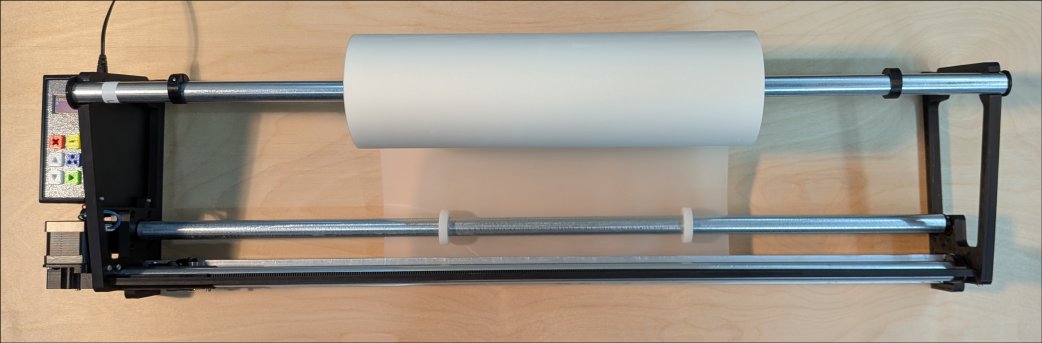
In the world of film processing, precision and efficiency are crucial for producing high-quality results. For many industries, such as photography, cinematography, and packaging, the right film roll cutting machine can significantly impact overall productivity. Selecting the best film roll cutting equipment involves considering factors such as material type, production volume, and required features.
Table of Contents
- Understanding the Role of a Film Cutter
- Types of Film Roll Cutting Machines
- Factors to Consider When Choosing a Film Roll Cutter
- Benefits of Using the Right Film Roll Cutting Machine
- Variety of Films for Cutting
- Customizing Your Film Roll Cutter
- Choosing the Best Manufacturer
- Conclusion
- FAQs
- What is a film roll cutting machine used for?
- How do I know if I need a manual, semi-automatic, or automatic film roll cutter?
- What factors should I consider when purchasing a film roll cutting machine?
- Can I use the same film roll cutting machine for different types of films?
- How can I maintain my film roll cutting machine for long-term use?
- FAQs
Understanding the Role of a Film Cutter
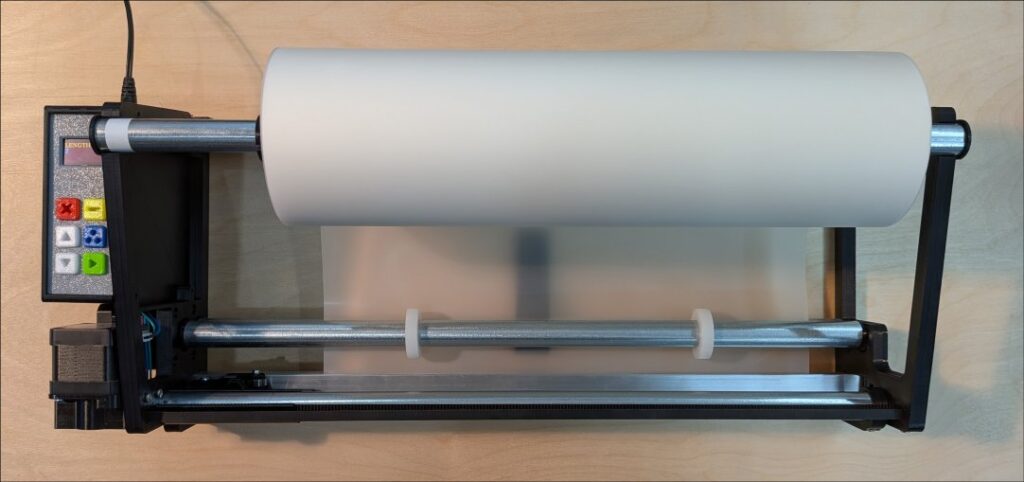
A film roll cutting machine is designed to cut large rolls of film into smaller, more manageable pieces. These machines are used in industries like photography, film production, and packaging. For companies that use film regularly, a high-quality cutter is crucial for efficiency and precision. It ensures efficient processing and accurate preparation of the material for use.
The main purpose of a film roll cutter is to ensure uniformity in the size and shape of the cut pieces. The machine’s primary job is to provide clean, precise cuts that allow for easier handling and application. This is especially important when working with different types of films, which may require specialized cutting techniques depending on their thickness, material, or purpose.
Types of Film Roll Cutting Machines
There are several types of film roll cutting machines available, each designed to meet different needs depending on the scale of your operation.
- Manual Film Roll Cutters: These machines require the operator to feed the film and cut it manually. They are ideal for small businesses or industries that don’t require high-speed processing. Manual cutters are typically more affordable but require more time and labor to complete the cutting process.
- Semi-Automatic Film Cutters: These machines are a step up from manual models and offer a combination of manual input and automation. Semi-automatic machines are ideal for medium-sized operations, where the operator can still have some control over the process but can also rely on automation to enhance efficiency and precision.
- Fully Automatic Film Roll Cutting Machines: For large-scale operations that process large quantities of film, fully automatic machines are often the best choice. These machines provide high-speed cutting with minimal human involvement, making them ideal for high-volume production. They often come with advanced features such as automatic alignment, pre-set cutting measurements, and the ability to cut different types of films without manual adjustments.
Factors to Consider When Choosing a Film Roll Cutter
Selecting the best roll cutting machine involves evaluating several important factors to ensure the machine meets your specific needs.
Here are some of the most important features to look for:
- Cutting Precision: The quality of the cut is essential, as it affects the usability of the film in subsequent stages of production. Look for a cutter that offers consistent and accurate cuts, as precision ensures the material will fit into its intended applications.
- Production Speed: Depending on your business’s size, speed may be a crucial factor in selecting the right machine. If you have a high-volume operation, a faster machine may be necessary. Automatic models, in particular, can speed up production without compromising quality.
- Film Compatibility: Not all films are the same. Some may be thicker or thinner, while others may require specific cutting methods due to their material or intended use. Make sure the cutter can handle a variety of films, such as PET, BOPP, and reflective films, as well as more specialized types like medical-grade materials or window tinting films.
- Ease of Operation: A roll cutting machine that is easy to operate will require less training for your staff and reduce the likelihood of operator errors. Machines with intuitive controls, clear instructions, and easy-to-understand settings will be more efficient in the long run.
- Durability and Maintenance: Machines that are built to last and are easy to maintain will help ensure smooth operations over time. Choose a machine with a sturdy build and one that’s made of high-quality materials. Regular maintenance is also a factor, so consider how easily the machine can be serviced.
Benefits of Using the Right Film Roll Cutting Machine
Investing in the right film roll cutting machine comes with numerous benefits, especially when you prioritize efficiency, precision, and durability. Here are some of the advantages:
- Increased Productivity: A film roll cutter that can handle larger volumes of film in a short amount of time will improve your overall productivity. This is especially crucial in high-demand industries like packaging and printing, where time is of the essence.
- Cost Savings: Although some machines may have a higher initial cost, the long-term savings they offer in terms of labor and material waste can make them a worthwhile investment. With automated machines, you may also see reduced labor costs and fewer operator errors.
- Improved Film Quality: Precise cuts not only make handling easier but also preserve the quality of the material. A well-designed roll cutting machine prevents damage to the film during the cutting process, preserving its integrity and preparing it for further processing.
- Versatility: Many modern film roll cutters are designed to work with various materials and film types. This allows businesses to handle different production needs without requiring multiple machines for different types of cuts.
With advancements in technology, these machines now offer enhanced precision and efficiency. The integration of smart features, such as automated adjustments and digital controls, allows for faster, more accurate cuts, reducing the need for manual intervention. This technology enables businesses to adapt quickly to changing production demands, improving overall workflow and minimizing downtime.
Variety of Films for Cutting
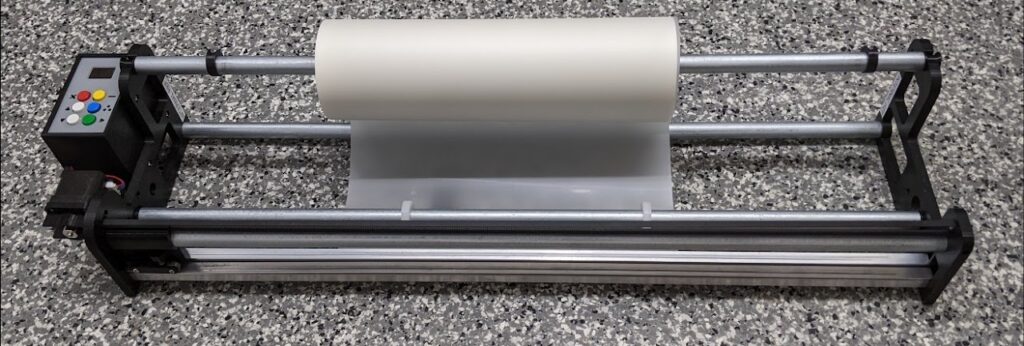
An important consideration when choosing a film roll cutting machine is the variety of films it can handle. Different films, such as DTF films, sublimation films, PET, BOPP, reflective films, and medical-grade films like polyurethane and PVC, require different cutting approaches. The ability to work with a broad range of materials enhances the versatility of the machine and allows businesses to use the same cutter for multiple applications.
For example, reflective films used in signage require precise cuts, while PET films for packaging may need larger pieces. A versatile film roll cutting machine that supports various film types ensures that you can handle diverse production demands efficiently, eliminating the need for multiple machines.
Customizing Your Film Roll Cutter
For businesses that require specialized cutting techniques or work with unique film materials, customization may be an option. Some manufacturers offer machines with adjustable settings or even completely tailored solutions to meet specific needs.
For instance, if your business works with films of varying thickness, a customized machine can provide different cutting depths to ensure uniformity. Similarly, certain industries may require unique sizes for their cut film, and a customizable cutter can meet these specifications.
Custom features can also extend to the types of films you process. If you handle a mix of PET, PVC, reflective films, and BOPP, you’ll want a cutter that can easily handle all these materials without compromising performance.
Choosing the Best Manufacturer
When deciding on the best film roll cutting machine, it’s important to consider the manufacturer. A reputable supplier will provide reliable customer service, training, and ongoing support to help you maintain your equipment. Here are some things to look for:
- Quality of the Product: The machine should be built to last and meet high manufacturing standards. A quality cutter will reduce the need for frequent repairs and downtime.
- After-Sales Support: Choose a manufacturer that offers strong customer support and easy access to replacement parts. You’ll want a company that provides troubleshooting and maintenance guidance if problems arise.
- Warranty and Service Options: A solid warranty provides peace of mind, ensuring that your investment is protected. Be sure to check the warranty terms and service options before making a final decision.
Conclusion
Choosing the right film roll cutting machine is essential for streamlining your production process and ensuring that you can handle a variety of film types and production volumes. Consider factors like cutting precision, speed, film compatibility, and ease of maintenance to make an informed decision. Whether you choose a manual, semi-automatic, or fully automatic model, the right machine will save you time and money while improving the quality of your output.
By investing in the right equipment, businesses can boost efficiency, reduce waste, and ultimately improve the bottom line.
FAQs
What is a film roll cutting machine used for?
A film roll cutting machine cuts large rolls of film into smaller, more manageable pieces. Industries like photography, cinematography, packaging, and print production commonly use the machine. It provides precise cuts, which makes handling and processing films easier.
How do I know if I need a manual, semi-automatic, or automatic film roll cutter?
The type of cutter you need depends on your production volume. Manual cutters are suitable for small-scale operations with low-volume needs. Semi-automatic machines are ideal for medium-sized businesses that require a balance between automation and manual effort. For high-volume production, fully automatic machines offer the best efficiency, cutting speed, and accuracy.
What factors should I consider when purchasing a film roll cutting machine?
When purchasing a film roll cutting machine, consider factors like cutting precision, speed, and ease of operation. Also, assess its durability and compatibility with various film types. Ensure the machine suits your production scale, whether you handle large or small volumes. Don’t forget to check the after-sales support provided by the manufacturer.
Can I use the same film roll cutting machine for different types of films?
Yes, many modern film roll cutting machines are designed to handle a variety of films, such as PET, BOPP, PVC, and reflective films. A versatile cutter can process different materials without requiring additional machines, helping businesses save on equipment costs and space.
How can I maintain my film roll cutting machine for long-term use?
To extend the life of your film roll cutter, perform regular maintenance. Clean the machine, check for wear and tear, and follow the manufacturer’s guidelines. Replace worn parts promptly and ensure proper lubrication to reduce friction and prevent breakdowns.


One thought on “Choosing the Best Film Roll Cutting Machine for Your Needs”
Comments are closed.