Are you planning to opt for pest control Red Deer services to get rid of pests from your house? If your answer is yes, then you have come to the right place as in this comprehensive guide, we will let you know about the things that should be done before and after the pest control treatment. So, without any further delay, let’s get started with our detailed discussion. Common outdoor pests like ants, mosquitoes, and Wasp Trap can ruin your time outdoors and potentially even create health hazards for you and your family. The spring, summer, and early fall are a busy time for these buzzers-and they definitely put a damper on your outdoor plans!
Table of Contents
Trapping is one good way to manage wasp and hornet populations around your house, but it takes some background knowledge to be able to use traps effectively without harming the local environment. Here’s what to know and how Buzz Boss can help.
Why Local Pest Control?
When it comes to dealing with pests, opting for local pest control services offers several advantages. Local pest control providers understand the specific pests that plague your area and have tailored solutions to tackle them effectively.
They also offer quick response times, ensuring that your pest problem is addressed promptly. By choosing nearby pest control options, you’ll be supporting local businesses while receiving specialized expertise.
What Sets Buzz Boss Apart?
Buzz Boss stands out from the competition due to their commitment to delivering the highest quality pest control solutions. Here are some reasons why they are the best pest control near me.
Expertise and Experience
Buzz Boss technicians are trained professionals who have mastered the art of pest control. They possess in-depth knowledge of various pests, their behavior, and effective elimination techniques.
Things To Do Before You Opt For Pest Control Treatment
Below are mentioned some of the most important things that will aid in preparing you for your upcoming pest control appointment.
Access
You should focus on removing any large appliance or furniture piece away from the corners of your house. It will help the pest control Red Deer to gain easy access to the places where it is required to control pests. They can easily get into the spots wherever most of the pests grow well. It will additionally ensure that your appliance, as well as furniture, remains safe from any chemical sprays and spills that are mainly utilized in the treatment.
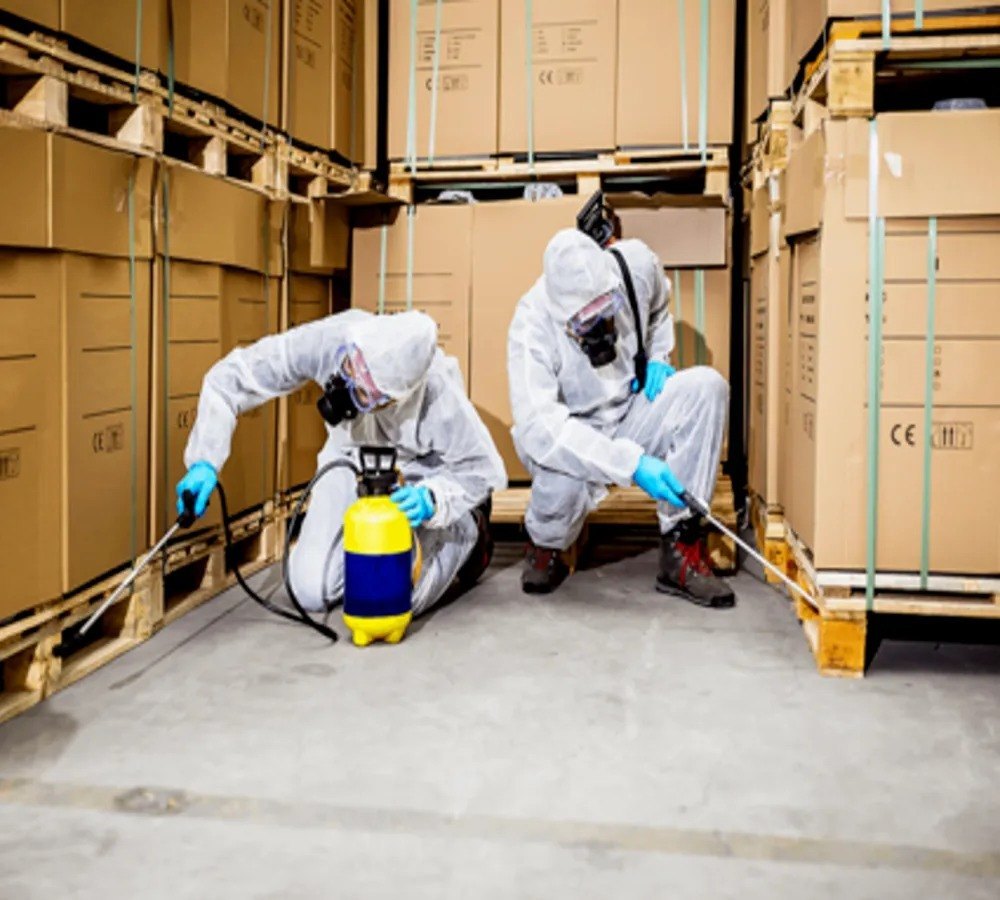
But refrain from using masking tape as it will absorb all the sprayed chemicals as it is made of paper. Also remove all of your bedsheets, pillows, cushions, mattresses, etc., and store them away most preferably wrapped in plastic.
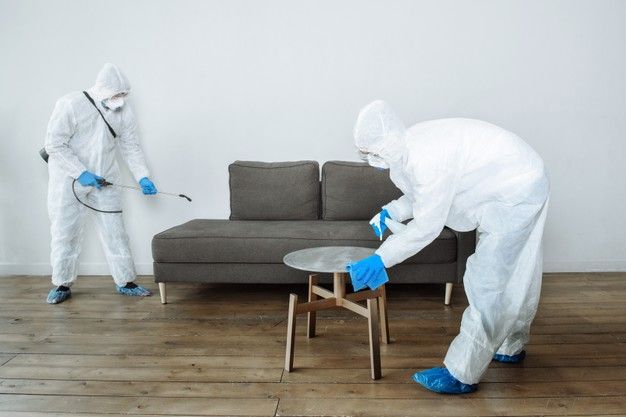
It is recommended to wrap your chairs, sofas, as well as tables with plastic packaging. You should avoid wrapping those with cloth pieces as there is a chance for the penetration of the chemicals. For certain pests such as termites, you need to clear out your wooden furniture which includes storage beds.
Things To Sort Out Following Pest Control Treatment
Now, let’s have a look at what is required to be done after the completion of the pest control service.
Wait
In case you had to vacate the building, you should wait till the time suggested by your service provider before you come back to your house.
Dispose Of Any Food That Is Left Out
If you have by mistake left over any food outside, then it is highly recommended to put them in the trash. Even if they have made use of organic chemicals for the pest control method, such food will not be good for you to consume. Other than that, you should never clean immediately, and avoid leaving paper around.
Types of Wasp and Hornet Traps
Wasp traps work by luring insects inside the trap with some type of bait, where the wasps are either poisoned or trapped in such a way that they cannot escape. There are several types of wasp and hornet traps available, some of which you can even make yourself.
Disposable vs. Reusable Traps
Disposable traps are perhaps the most convenient and are designed to be tossed away once they’re full. Reusable traps, on the other hand, need to be emptied, washed out, refilled, and put out again. Both disposable and reusable traps are equally effective, so it’s more a matter of personal preference and environmental stewardship. Reusable traps keep plastic and trash out of landfills and prevent animals who are foraging for food from finding the trap and consuming potentially poisonous bait inside.
Jar and Bottle Traps
Bottle traps take advantage of the narrow opening of a bottle to lure wasps in and prevent them from quickly getting back out. The bottom of the bottle is usually filled with a liquid that drowns the wasps, like soapy water. These traps can be made at home from a plastic or glass soda bottle.
Mesh and Water Bag Traps
A mesh bag trap has a durable mesh or netting on the outside of it, which provides an open and airy structure that attracts wasps and hornets but makes it hard for them to escape. Some mesh traps have bait or a glue board, while others just have a funnel that allows insects in but not out. As for water bags, these aren’t necessarily traps. They’re simply a deterrent that are only marginally effective. To use this method to discourage wasps from coming around your home, hang plastic zipper bags full of water from doorways, porch ceilings, trees, and other places where wasps are likely to see them. These bags create a reflection when light passes through them; this confuses wasps, steering your property clear of these stingers.
Electric Bug Zappers
Electric bug zappers lure wasps and other flying insects by light and use a high-power UV light to “zap” and kill bugs that come into contact with it. These are a good option for long-term use but can pose a threat to valuable pollinators who may also become attracted to it.
Pheromone and Insecticidal Traps
These traps use commercial pheromones to attract wasps and insecticides to kill wasps once they’re inside the trap. You can purchase traps with both a lure and an insecticide or either one.
How to Keep Your Traps Eco-Friendly
Most wasp and hornet traps pose no threat to the surrounding environment they’re in. However, traps that use insecticides are the least eco-friendly and should be used sparingly and disposed of properly. Be sure to put your wasp traps out in areas where insects like bees are less likely to find them. You should also make sure that you use a special wasp attractant that won’t appeal to bees.
Best Places to Put Wasp and Hornet Traps
Placing your wasp and hornet traps is about location, location, location. Where you put them makes a significant difference in the traps’ efficacy and how well they’re able to trap and kill these dangerous flying insects. They should be at least 6 to 7 meters away from your home and any outdoor areas like porches, garages, pools, and kids’ play equipment. Hang them about four feet from the ground so they can be easily detected by wasps. Ideally, they should be in quiet, sunny places where there’s a slight breeze that can push the scent around and lure wasps to the trap.
Safety Tips for Trapping Wasps and Hornets
When putting out wasp traps, it’s crucial to take several safety precautions to prevent getting stung:
- Wear thick, long pants and sleeves that cover as much of your skin as possible. Use clothing that’s light-colored to deter wasps and hornets from becoming aggressive. Avoid wearing red or black clothing.
- Shower with plain soap and shampoo. Don’t use anything with a fragrance that could attract stinging insects. Specifically, avoid handling bananas or banana-scented soaps, lotions, candies, or other objects.
Wasps, bees, and hornets emit a pheromone when angry that smells like bananas and other sources of the scent could attract aggressive wasps.
- Use plain deodorant without scent. Avoid smelling like sweat, which could also prompt wasps and hornets to attack.
- Avoid going around flowering plants that may have wasps flying around them.
- Keep your yard and the outside of your home clean and decluttered. Wasps and hornets are attracted to discarded food, and other insects that are attracted to the food, like ants and beetles.
- If a wasp is flying nearby, remain composed and calmly get out of the area. Swatting at it will likely cause it to sting. If multiple wasps are flying around you, move quickly. Head indoors, in your car, or into a shaded area.
Don’t jump into the water since many wasps and hornets will hover above the surface, waiting to sting when you come up for air.
FAQs
What types of wasp and hornet traps are most effective?
The most effective wasp and hornet traps typically use a combination of visual attractants and bait. Commercial traps often feature bright yellow coloring to draw insects’ attention, along with a sweet liquid bait or pheromone lure. DIY traps made from plastic bottles or jars can also be effective when baited with sugar water or fruit juice.
Where should I place wasp and hornet traps for best results?
For optimal results, place traps away from areas where people gather, about 20 feet from nests if visible, and in sunny locations. Hang traps from trees, eaves, or poles at a height of about 4-5 feet off the ground. Experiment with different locations to find where wasps and hornets are most active on your property.
How often should I replace the bait in my traps?
Bait should be replaced every 1-2 weeks or when it becomes cloudy or contaminated with dead insects. Regular maintenance ensures the trap remains attractive to wasps and hornets. Some commercial traps come with long-lasting lures that may only need replacement every 4-6 weeks.
Are wasp and hornet traps safe for bees and other beneficial insects?
While traps can sometimes catch beneficial insects, they’re generally designed to be more attractive to wasps and hornets. To minimize impact on bees, avoid using traps during peak pollination seasons and place them away from flowering plants. Some traps feature small entrance holes that exclude larger beneficial insects.
Can traps eliminate an entire wasp or hornet colony?
Traps are most effective for reducing wasp and hornet populations and preventing new nests from forming. However, they may not completely eliminate an established colony. For large infestations or nests close to living areas, professional pest control services may be necessary for full eradication.