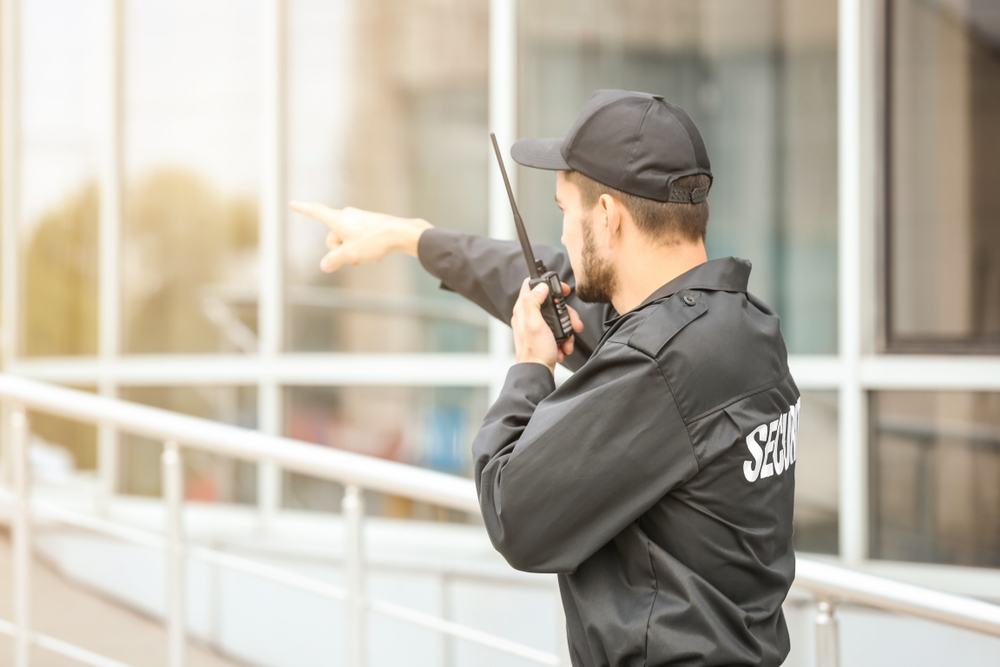
As Brazil prepares to host the COP 2025 conference in Belem, ensuring security is paramount. With global leaders, activists, and delegates converging to address critical environmental issues, the safety of participants and the smooth conduct of proceedings are imperative. This article delves into the strategies and challenges involved in safeguarding the Brazil COP 2025 Security Belem.
- Strategies for Ensuring Security
- Challenges in Ensuring Security
- FAQ
- What are the primary strategies employed to ensure security at the Brazil COP 2025 conference in Belem?
- How do organizers conduct risk assessments for the event, and why is it crucial?
- What role do advanced surveillance technologies play in bolstering security measures?
- What are some of the challenges in ensuring security at the Brazil COP 2025 conference?
- Conclusion
Strategies for Ensuring Security
Comprehensive Risk Assessment
Conducting a thorough risk assessment before any event is paramount to ensuring the safety and security of attendees. This involves more than just identifying potential threats; it entails a detailed analysis of vulnerabilities specific to the venue and the nature of the gathering. Collaborating with security experts, local authorities, and relevant stakeholders brings diverse perspectives to the assessment process, enriching it with insights from various fields. By formulating mitigation strategies based on this comprehensive assessment, event organizers can proactively address potential risks before they escalate, thereby minimizing the likelihood of security breaches.
Enhanced Surveillance and Monitoring
In today’s digital age, implementing advanced surveillance technologies and monitoring systems is imperative to bolster security measures. CCTV cameras, drones, and sensor networks serve as the eyes and ears of security personnel, providing real-time insights into crowd movements and activities. These technologies not only help identify suspicious behavior but also serve as a deterrent to potential threats, as individuals are aware they are being monitored. Coordinating these efforts with law enforcement agencies ensures seamless integration of surveillance data, facilitating prompt responses to emerging security concerns and enhancing overall situational awareness.
Robust Access Control Measures
Maintaining control over who enters the event premises is fundamental to ensuring its security. Establishing stringent access control measures involves deploying a combination of physical barriers, such as security checkpoints and perimeter fencing, and digital verification systems, such as credential checks and biometric scanners. This multi-layered approach helps to deter unauthorized individuals from gaining entry while facilitating smooth ingress for legitimate attendees. Additionally, having trained personnel stationed at access points not only adds an extra layer of security but also provides reassurance to attendees that their safety is being prioritized.
Emergency Response Planning
Despite meticulous planning, unforeseen emergencies can still arise during events. Hence, developing comprehensive emergency response plans is essential to mitigate potential risks and ensure swift, coordinated actions when crises occur. These plans should encompass communication protocols for disseminating information to attendees and coordinating with emergency services, as well as evacuation procedures tailored to the specific layout of the venue. Furthermore, having medical support systems in place, including trained personnel and accessible first-aid stations, can significantly enhance the response to medical emergencies. Regular drills and simulations are invaluable in testing the efficacy of these plans and familiarizing personnel with their roles, enabling them to respond effectively under pressure.
Challenges in Ensuring Security
Cybersecurity Risks
As society becomes increasingly reliant on digital platforms, the threat landscape of cybersecurity expands exponentially. Cyberattacks targeting critical infrastructure, such as power grids and financial systems, can result in widespread disruption and chaos. Moreover, the proliferation of data breaches compromises sensitive information, leading to financial losses and breaches of privacy. Misinformation campaigns fueled by malicious actors further exacerbate societal distrust and confusion. To counter these risks, organizations and individuals must implement robust cybersecurity measures, including encryption protocols and intrusion detection systems. Additionally, raising awareness among all stakeholders about the potential threats and best practices for cyber hygiene is crucial in building a resilient defense against cyber threats.
Environmental Considerations
At the heart of COP conferences lies the imperative to safeguard the environment and address pressing climate change concerns. However, protecting the environment itself poses unique security challenges that demand proactive measures. Illegal activities such as deforestation, wildlife trafficking, and pollution not only degrade ecosystems but also fuel social unrest and conflict in affected regions. Therefore, integrating environmental protection considerations into security planning becomes imperative to address these interconnected threats effectively. This involves deploying resources to monitor and combat illegal activities, implementing sustainable practices for waste management, and fostering international cooperation to preserve biodiversity and mitigate climate-related risks. By recognizing the intrinsic link between environmental sustainability and security, stakeholders can work towards holistic solutions that benefit both people and the planet.
Protest and Demonstrations
Large-scale events like COP conferences often serve as platforms for peaceful protests and demonstrations, reflecting societal concerns about environmental policies and practices. However, ensuring the safety and security of both participants and the public presents a delicate balancing act for authorities. Effective coordination between security forces, event organizers, and protest groups is paramount to prevent escalations into violence and maintain order. Moreover, providing designated spaces for peaceful assembly while safeguarding critical infrastructure and public safety is essential in upholding democratic principles. By fostering open communication channels and respecting the rights of all parties involved, authorities can facilitate peaceful expressions of dissent while minimizing disruptions to public life.

FAQ
What are the primary strategies employed to ensure security at the Brazil COP 2025 conference in Belem?
The article outlines several key strategies, including comprehensive risk assessment, enhanced surveillance and monitoring, robust access control measures, and emergency response planning.
How do organizers conduct risk assessments for the event, and why is it crucial?
Organizers collaborate with security experts, local authorities, and stakeholders to conduct a thorough risk assessment. This involves analyzing vulnerabilities specific to the venue and the nature of the gathering, enabling proactive mitigation of potential risks and minimizing security breaches.
What role do advanced surveillance technologies play in bolstering security measures?
Advanced surveillance technologies, such as CCTV cameras, drones, and sensor networks, serve as the eyes and ears of security personnel. They provide real-time insights into crowd movements and activities, helping to identify suspicious behavior and deter potential threats.
What are some of the challenges in ensuring security at the Brazil COP 2025 conference?
The article highlights cybersecurity risks, protests and demonstrations, and environmental considerations as major challenges. Cybersecurity threats, the delicate balance of managing protests peacefully, and addressing environmental issues like deforestation and pollution all pose significant challenges to security efforts.
Conclusion
Ensuring security at the Brazil COP 2025 conference in Belem requires proactive planning, collaboration, and adaptability. By implementing comprehensive strategies, addressing emerging challenges, and fostering a culture of vigilance, organizers can effectively safeguard participants and facilitate meaningful discussions on pressing environmental issues. Together, let us strive to make Brazil COP 2025 Security Belem a success, both in terms of security and environmental conservation.