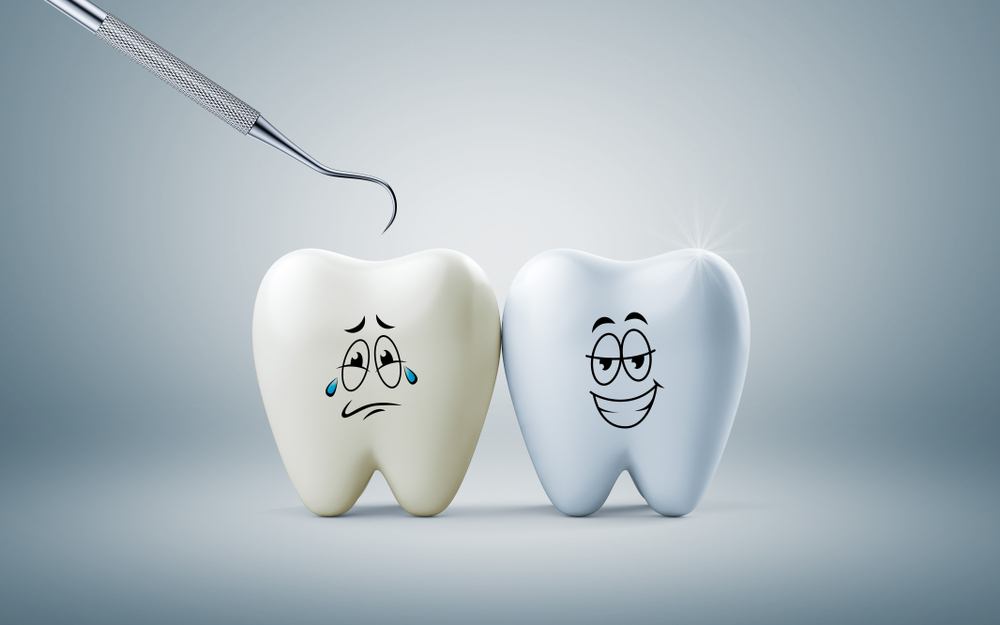
When most people think about going to the dentist they are thinking about general dentistry — the everyday, foundational dental care that keeps teeth healthy, catches problems early, and prevents small issues from turning into big ones. It is the backbone of good oral health and yet it is also the area of dentistry that patients most commonly put off, delay, or underestimate the importance of.
Table of Contents
- 1. Routine Check-Ups and Examinations
- 2. Professional Teeth Cleaning
- 3. Dental X-Rays
- 4. Dental Fillings
- 5. Root Canal Treatment
- 6. Dental Crowns
- 7. Gum Disease Treatment
- 8. Tooth Extractions
- 9. Emergency Dental Care
- 10. Preventive Advice and Patient Education
- Why General Dentistry Is the Foundation of Everything Else
- The Bottom Line
- Frequently Asked Questions
General dentistry is not just about check-ups and cleanings. It covers a broad and genuinely important range of services that address everything from cavities and gum disease to broken teeth and tooth pain. Understanding what falls under the umbrella of general dentistry — and why each service matters — is the first step toward taking your oral health seriously and getting the most out of your relationship with your dental practice.
This guide covers the general dentistry services that patients in Agoura Hills use most often, what each one involves, and why staying on top of them makes such a significant difference to your long-term dental and overall health. If you have been looking for a trusted practice offering general dentistry in Agoura Hills, this article gives you a clear picture of what to expect and why it matters.
1. Routine Check-Ups and Examinations
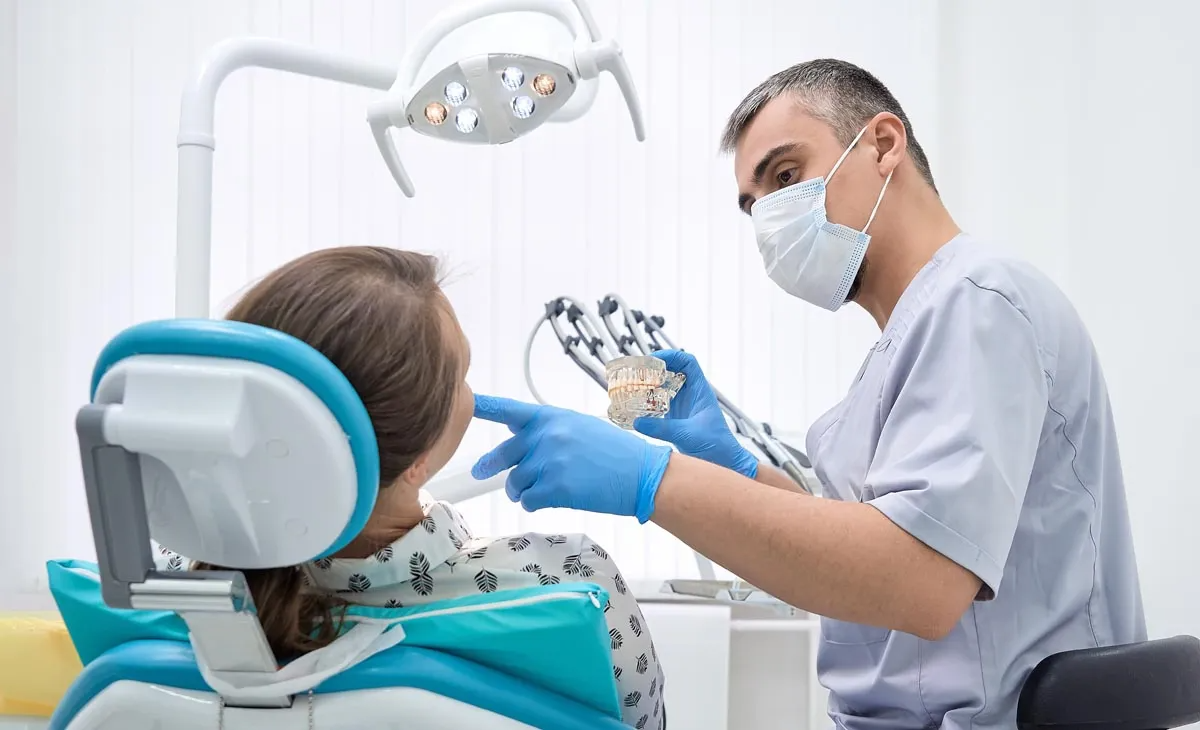
The routine dental check-up is the most fundamental service in all of general dentistry — and the one most patients are most likely to skip when life gets busy. Most adults benefit from a professional dental examination every six months, though some patients with a higher risk of dental disease may need more frequent visits.
A thorough dental examination involves far more than a quick look in your mouth. Your dentist will examine every tooth surface for signs of decay, check the health of your gum tissue, assess your bite and jaw function, screen for early signs of oral cancer, and review any dental X-rays to identify issues that are not visible to the naked eye. Issues caught at this stage — a small cavity, the beginning of gum inflammation, a crack in a molar — are almost always far simpler and less costly to treat than the same problems discovered six or twelve months later when they have had time to develop further.
For patients who have not been to the dentist in a while the idea of attending a check-up can feel daunting. But a good general dentist will never make you feel judged for time away from the chair — they will simply assess where things stand and help you build a plan to get your oral health back on track.
2. Professional Teeth Cleaning
Even the most diligent home brushing and flossing routine cannot remove everything that builds up on the teeth over time. Tartar — also known as calculus — is a hardened mineral deposit that forms when plaque is not fully removed and cannot be eliminated by brushing alone. Once tartar has formed only a professional cleaning can remove it safely.
A professional dental clean — also called a scale and polish — uses specialist instruments to carefully remove tartar deposits from all tooth surfaces and along the gum line. The teeth are then polished to remove surface staining and leave a smooth, clean surface that is more resistant to future plaque accumulation.
Regular professional cleaning is one of the most effective preventive measures available for maintaining healthy gums. Gum disease — which begins as gingivitis and progresses to periodontitis if untreated — is driven by the bacterial activity in plaque and tartar. Removing these deposits regularly dramatically reduces the bacterial load in the mouth and keeps the gum tissue healthy. Patients who attend regular professional cleans consistently experience better gum health than those who rely on home care alone.
3. Dental X-Rays
Dental X-rays are an essential diagnostic tool that allows dentists to see what is happening inside and between the teeth and below the gum line — areas that are completely invisible during a visual examination. They reveal cavities forming between teeth, bone loss around the roots, infections at the tip of tooth roots, impacted teeth, and a range of other conditions that would otherwise go undetected until symptoms appear.
Modern dental X-rays use very low doses of radiation and are considered extremely safe. Most patients require a full set of X-rays every three to five years with bitewing X-rays — which focus on the back teeth — taken more frequently if there is a higher risk of interproximal decay.
4. Dental Fillings
Dental fillings are one of the most commonly performed general dentistry procedures and for good reason — tooth decay is extremely prevalent and catching and treating cavities before they reach the inner layers of the tooth is one of the most important things you can do for your dental health.
Modern tooth-colored composite fillings blend seamlessly with the natural tooth structure and are both strong and aesthetically pleasing. The procedure involves removing the decayed portion of the tooth, cleaning the site thoroughly, and filling the space with composite resin material that is shaped and polished to restore the tooth’s natural contour.
The earlier a cavity is treated the smaller the filling needed — and the more natural tooth structure is preserved. Leaving a cavity untreated allows the decay to spread deeper into the tooth, eventually reaching the nerve and requiring more extensive treatment such as a root canal or in severe cases extraction. The simple rule is — small cavities need small fillings. Treat them early.
5. Root Canal Treatment
Root canal treatment is one of the most feared dental procedures among patients — and also one of the most misunderstood. The procedure has a reputation for being painful that is simply not supported by the modern patient experience. In reality root canal treatment relieves pain rather than causes it — treating the source of the infection or inflammation that has been causing the discomfort in the first place.
Root canal treatment is needed when the soft tissue inside the tooth — the pulp — becomes infected or inflamed. This can happen as a result of deep decay, a crack that allows bacteria to penetrate to the inner tooth, or trauma. During the procedure the infected pulp is carefully removed, the root canals are cleaned and shaped, and the tooth is sealed to prevent reinfection. In most cases a crown is placed over the tooth afterward to protect it from fracture.
Modern root canal treatment is performed under local anesthesia and most patients find it no more uncomfortable than a routine filling. The goal is always to save the natural tooth — preserving the root in the jaw, maintaining the bone beneath it, and avoiding the need for extraction and tooth replacement.
6. Dental Crowns
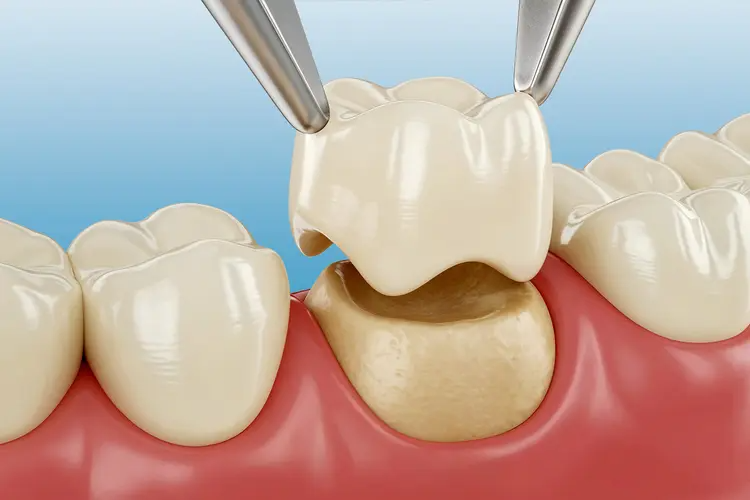
Dental crowns are custom-made caps that fit over an existing tooth to restore its shape, size, strength, and appearance. They are one of the most versatile restorations in general dentistry — used to protect a tooth that has been significantly weakened by decay or fracture, to cover a tooth following root canal treatment, to restore a broken tooth, or to improve the appearance of a severely discolored or misshapen tooth.
Modern crowns are typically made from all-ceramic or porcelain materials that closely match the color and translucency of natural teeth — making them virtually indistinguishable in the smile. Getting a crown involves two appointments — one for preparation and impression taking and one for fitting and cementing the permanent crown.
7. Gum Disease Treatment
Gum disease is one of the most common dental conditions in adults — and one of the most underestimated in terms of its impact on overall health. Research has established clear links between advanced gum disease and systemic conditions including heart disease, diabetes complications, and adverse pregnancy outcomes — making treatment of active gum disease genuinely important beyond oral health alone.
In its earliest stage — gingivitis — gum disease is entirely reversible with professional treatment and improved home care. A professional clean combined with better brushing and flossing technique is often all that is needed to bring early gum inflammation under control. More advanced disease — periodontitis — requires a deeper cleaning procedure known as scaling and root planing to remove bacterial deposits from below the gum line and allow the tissue to heal.
Regular attendance at a general dental practice that monitors gum health at every visit is the most reliable way to catch and address gum disease in its earliest and most treatable stage.
8. Tooth Extractions
Tooth extraction is always a last resort in general dentistry — performed only when a tooth cannot be saved through other means. Common reasons for extraction include severe decay that has destroyed too much tooth structure to restore, advanced gum disease that has caused the tooth to become too mobile, a fractured tooth that cannot be repaired, or an impacted wisdom tooth causing pain or infection.
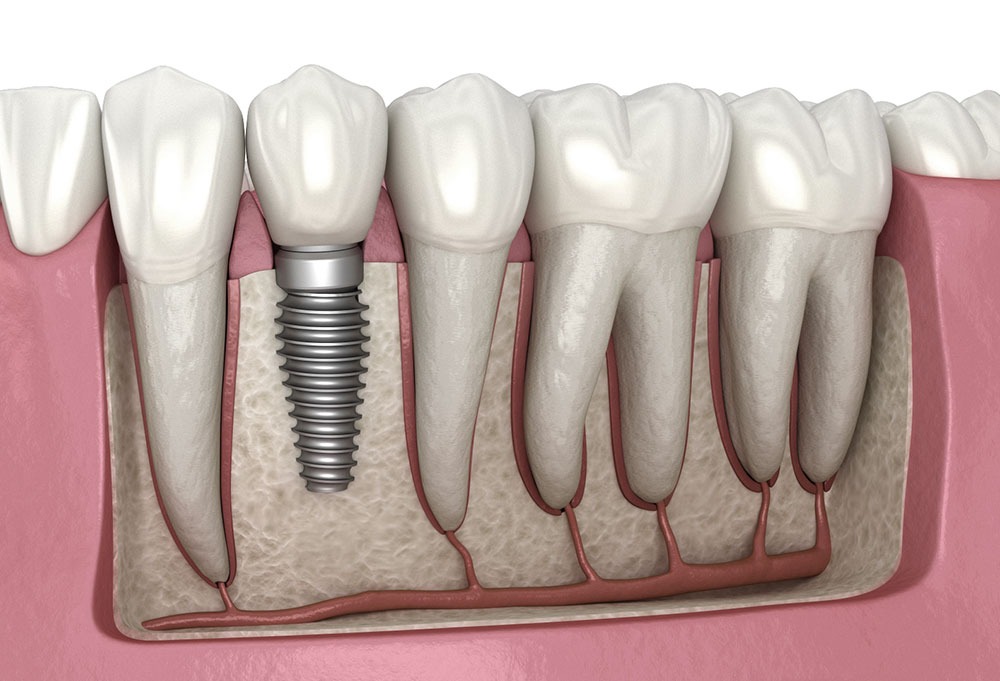
Modern extraction techniques are far more comfortable than patients often expect — performed under local anesthesia with sedation options available for anxious patients. Following an extraction your dentist will discuss tooth replacement options to prevent the shifting and bone loss that occurs when a gap is left untreated. Dental implants in Agoura Hills are the gold standard tooth replacement solution — preserving the jawbone, restoring full function, and delivering a result that looks and feels like a natural tooth.
9. Emergency Dental Care
Dental emergencies do not follow a schedule. A severe toothache, a knocked out tooth, a broken crown, a dental abscess — these situations require prompt professional attention and should never be left to resolve on their own. Having access to a reliable emergency dentist in Agoura Hills who can see you quickly and address urgent dental issues effectively is an important part of your overall dental care.
Common dental emergencies that require same-day or next day attention include severe or persistent tooth pain, visible swelling in the jaw or face, a tooth that has been knocked out, a tooth that has fractured and is causing sharp pain or soft tissue injury, and a lost crown or filling causing significant discomfort or sensitivity.
10. Preventive Advice and Patient Education
One of the most valuable things a good general dentist does is something that does not show up on a treatment plan — taking the time to educate patients about their oral health. Understanding why certain habits affect your teeth, how to brush and floss correctly, which foods and drinks are most damaging to enamel, and how lifestyle factors like smoking and diet affect gum health empowers patients to take better care of their mouths between appointments.
A dentist who invests in patient education is investing in long-term outcomes — not just short-term treatment. Patients who understand their oral health make better decisions, attend more regularly, and experience significantly fewer serious dental problems over their lifetime.
Why General Dentistry Is the Foundation of Everything Else
It is worth stepping back for a moment to appreciate what good general dental care actually achieves over a lifetime. Patients who attend regular check-ups and cleans, address problems early, and maintain good home care consistently experience fewer dental emergencies, fewer complex treatments, lower lifetime dental costs, and significantly better oral health than those who only visit the dentist when something hurts.
General dentistry is also the gateway to everything else in dental care. Cosmetic treatments like veneers, Invisalign, and smile makeovers always work best when they are built on a foundation of excellent oral health. An experienced cosmetic dentist in Agoura Hills will always address any underlying general dental issues before beginning elective cosmetic work — because the best cosmetic outcomes are only achievable on healthy teeth and healthy gums.
The Bottom Line
General dentistry encompasses the full range of everyday dental services that keep teeth healthy, address problems early, and prevent minor issues from becoming major ones. From routine check-ups and professional cleans to fillings, root canals, crowns, and emergency care — these are the services that form the foundation of good oral health for every patient at every stage of life.
If you have been putting off your dental check-up or have a dental concern you have been ignoring, now is the right time to address it. At Agoura Advanced Dentistry in Agoura Hills, Dr. Kambiz Kamangar DDS and his team provide comprehensive general dental care for patients of all ages in a warm, welcoming, and completely pressure-free environment. Find us on Google Maps and come in today.
Frequently Asked Questions
How often should I visit the dentist for a check-up?
Most adults benefit from a professional check-up and clean every six months. Patients with a higher risk of decay or gum disease may need more frequent visits. Your dentist will recommend the schedule that is most appropriate for your individual oral health needs.
Is a root canal really as painful as people say?
No. Modern root canal treatment is performed under local anesthesia and is typically no more uncomfortable than a routine filling. The procedure relieves the pain caused by the infected or inflamed pulp rather than causing it. Most patients are surprised by how manageable the experience is.
How do I know if I have gum disease?
Common signs of gum disease include bleeding when brushing or flossing, swollen or tender gums, persistent bad breath, and gum recession. Many patients have early gum disease without any obvious symptoms which is why regular professional examinations are so important for early detection.
What should I do if I have a dental emergency outside of office hours?
Contact your dental practice as soon as possible — many practices have an emergency contact number for out-of-hours situations. If swelling is affecting your ability to swallow or breathe go to the emergency room immediately.
How long do dental fillings last?
Composite tooth-colored fillings typically last 7 to 10 years or more with proper care. The lifespan depends on the size and location of the filling, the forces it is subjected to, and how well the patient maintains their oral hygiene. Regular check-ups allow your dentist to monitor the condition of existing fillings and replace them when needed.