Table of Contents
- The Physical Examination: More Than a Quick Look
- Bloodwork: What It Adds to the Picture
- Vaccinations: Part of the Visit But Not the Whole Point
- Parasite Prevention: An Often Overlooked Wellness Conversation
- Nutrition and Weight: The Wellness Conversation That Changes the Most
- FAQs
- A Wellness Exam Is Not Just a Formality
Most dog owners know that annual wellness visits are important. It is one of those pieces of advice that gets repeated so often it starts to feel like background noise. Go to the vet once a year. Keep vaccinations current. Get a checkup. But ask most dog owners what actually happens during a wellness exam and the answers tend to get vague pretty quickly. The vet listens to the heart, checks a few things, gives some shots, and that is about where most people’s picture runs out.
That gap between knowing a wellness exam matters and understanding what it actually covers is worth closing, because what happens during a thorough wellness visit goes considerably further than most owners expect. The conditions that get caught at wellness exams are not always the dramatic ones. More often they are the quiet ones, early kidney changes, a developing heart murmur, dental disease that has been building for years, a lump that appeared recently, that a dog would never flag on their own because dogs are remarkably good at carrying on as normal even when something is wrong.
For dog owners in Encino looking to book a dog wellness exam near you in Encino, understanding what the appointment covers helps you get more out of every visit and have more useful conversations with your vet along the way.
The Physical Examination: More Than a Quick Look
The physical examination is the foundation of every wellness visit, and in experienced hands it covers a lot of ground in a relatively short time. A thorough physical exam in a dog wellness visit works through the body systematically from nose to tail, and each part of it is looking for something specific.
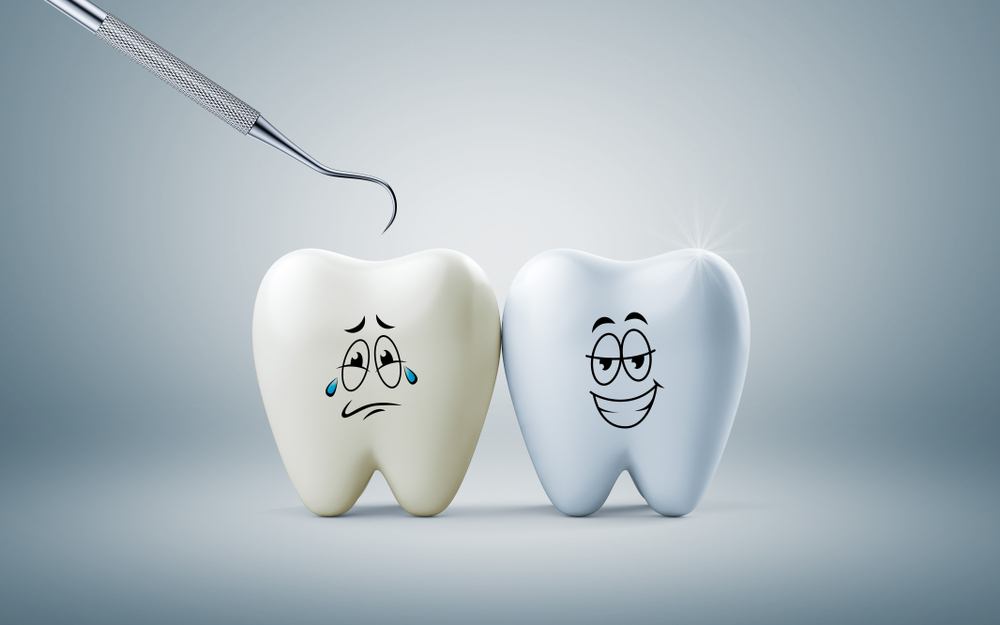
Starting at the head, the vet examines the eyes for cloudiness, discharge, or changes in the retina that can indicate systemic disease. The ears are checked for signs of infection, inflammation, or abnormal growth. The mouth receives attention that often surprises owners who did not realize dental assessment was part of a standard wellness visit. Dental disease is among the most common conditions in adult dogs, affecting a significant percentage of dogs by the time they reach three years old, and much of it develops below the gum line where it is invisible without a proper look. Tooth mobility, gum recession, tartar accumulation, and the presence of masses along the gum line are all things the vet is looking for during this part of the exam.
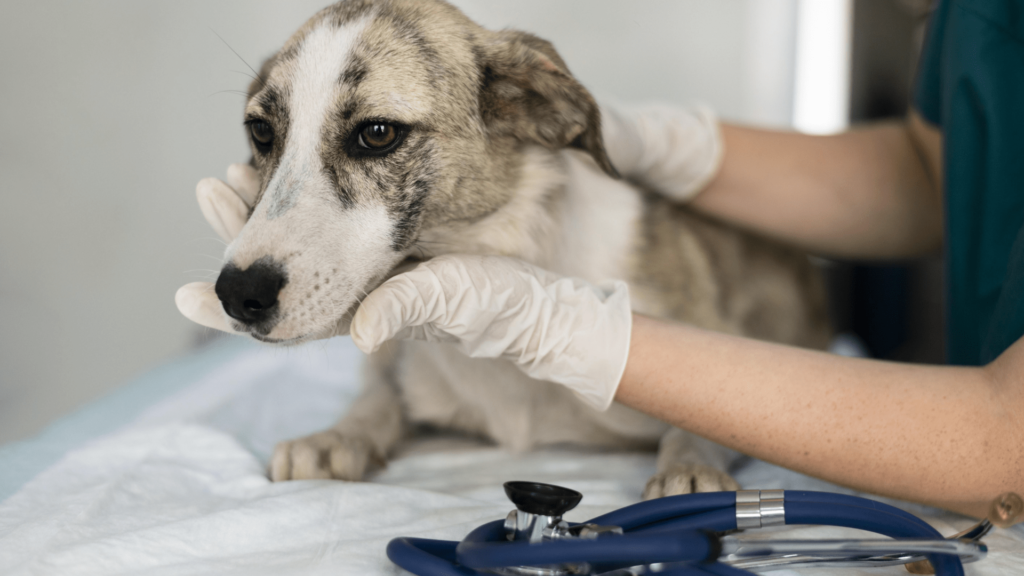
Moving to the chest, the vet listens to the heart and lungs with a stethoscope. Heart rate, rhythm, and the presence or absence of a murmur are assessed during this step. A new murmur found at a wellness exam in a dog who had no murmur the previous year is significant information that changes the monitoring plan going forward. Lung sounds indicating fluid, consolidation, or other changes are similarly picked up here before they become symptomatic.
The abdomen is palpated with both hands to assess organ size, detect any masses, and identify areas of pain or discomfort that the dog may not have been showing at home. The lymph nodes throughout the body are checked for enlargement. The skin and coat are assessed for changes in condition, the presence of masses or lumps, and signs of parasites or allergic skin disease. The musculoskeletal system is evaluated through joint manipulation and gait assessment, looking for signs of early arthritis or orthopedic disease that may not yet be causing obvious limping.
Bloodwork: What It Adds to the Picture
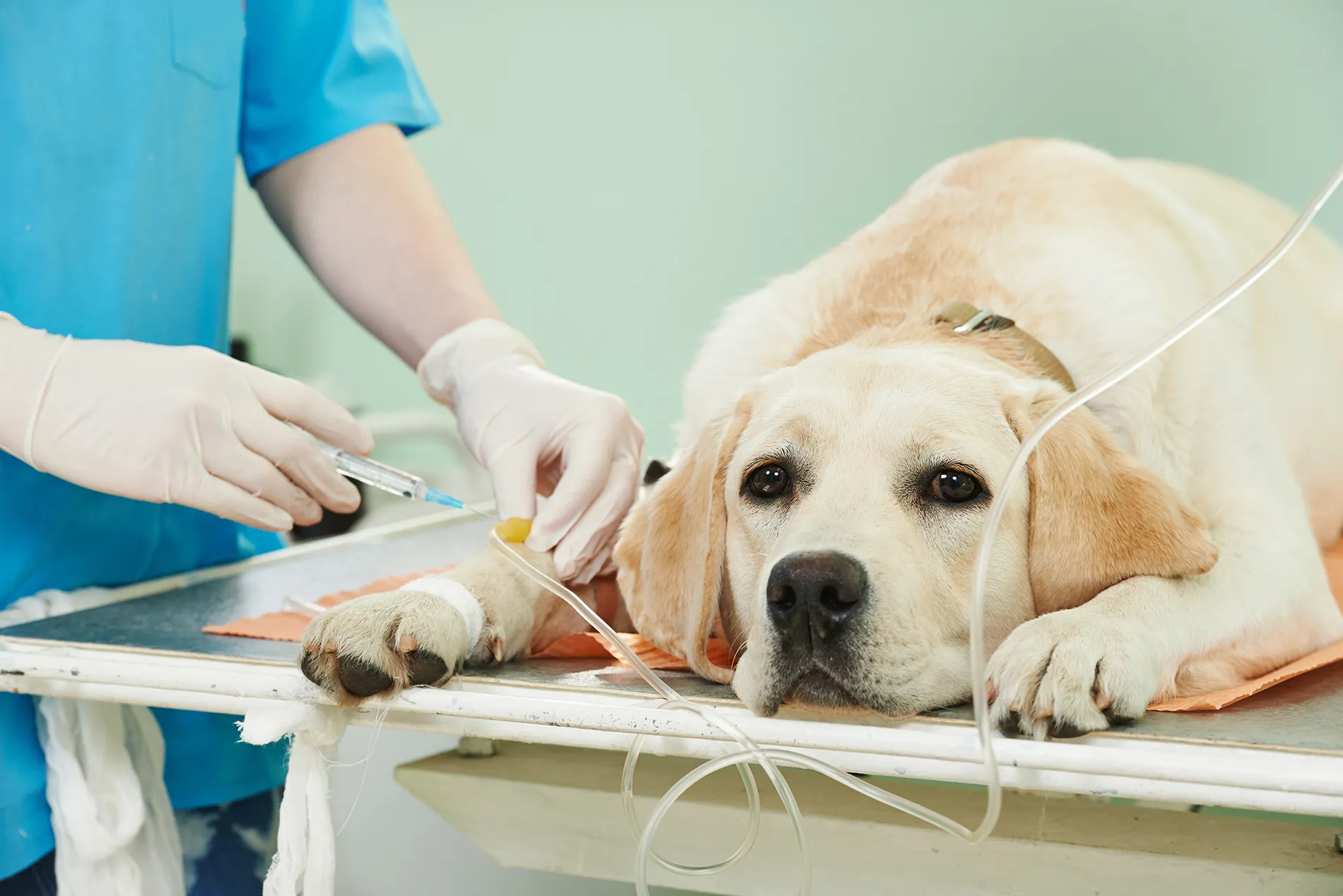
A physical examination tells the vet a great deal about how a dog looks and feels on the outside. Bloodwork tells the story of what is happening internally, and the two together give a far more complete picture than either one alone.
A standard wellness bloodwork panel for dogs covers a complete blood count, which evaluates red blood cells, white blood cells, and platelets, and a chemistry panel, which assesses organ function across the liver, kidneys, and pancreas, as well as blood glucose, protein levels, and electrolytes. Together these two panels can detect early kidney disease before symptoms appear, flag liver changes that warrant further investigation, identify diabetes in its early stages, and pick up signs of infection or inflammation that would not be visible on physical examination.
For senior dogs, thyroid testing is added to the standard panel because hypothyroidism becomes more common with age and produces symptoms that are easy to attribute to normal aging rather than a treatable condition. Urinalysis is another component that adds meaningful information about kidney function and helps catch urinary tract infections, crystals, and early signs of disease that blood tests alone do not fully characterize.
The value of routine bloodwork is not just in finding something wrong on a given day. It is in building a baseline for each individual dog that makes future comparisons meaningful. A kidney value that sits at the high end of normal for a young dog is far more useful information when you can see that it has been stable at that level for three years than when it appears on its own with no prior context.
Vaccinations: Part of the Visit But Not the Whole Point
A common misconception about wellness exams is that they are primarily about getting vaccines. Vaccines are certainly part of the visit for most dogs, but they are one component of a broader assessment rather than the main event.
Which vaccines are given at a wellness visit depends on what the dog is due for based on their specific schedule. Under current AAHA guidelines, core vaccines like DHPP are given on a three-year cycle for adult dogs after the initial series and one-year booster. Rabies follows the same pattern. Lifestyle vaccines including Bordetella and leptospirosis are reassessed annually based on the dog’s ongoing exposure risk, and the conversation about whether those vaccines still make sense for that dog’s current lifestyle is part of what should happen at a wellness visit.
For dogs whose owners are interested in titer testing as an alternative to automatic boosters, the wellness visit is the right time to have that conversation and order the appropriate tests.
Parasite Prevention: An Often Overlooked Wellness Conversation
Parasite prevention is another area that gets more thorough attention at a wellness visit than many owners expect. In Encino and the wider Los Angeles area, the warm climate means heartworm, fleas, ticks, and intestinal parasites are year-round concerns rather than seasonal ones.
A fecal test to check for intestinal parasites is standard at most annual wellness visits, and the results inform whether deworming is needed and which products are appropriate. The heartworm prevention conversation covers whether the current product is appropriate for the dog’s weight and lifestyle and whether the dosing schedule has been consistent. Flea and tick prevention is reviewed in the context of where the dog spends time, since a dog who regularly hikes in the hills around Encino has different tick exposure than one who stays mostly in the backyard.
Nutrition and Weight: The Wellness Conversation That Changes the Most
Body weight and nutritional assessment are components of a wellness exam that carry more significance than most owners give them credit for. Obesity in dogs is one of the most common and most preventable health problems in veterinary medicine, and it contributes directly to joint disease, diabetes, heart disease, and a shortened lifespan.
A wellness visit includes a body condition score, a standardized assessment of body fat relative to muscle mass that gives a more meaningful picture than weight alone. A dog who weighs the same as last year but has lost muscle mass while gaining fat has a meaningfully different body composition even though the number on the scale has not changed, and the body condition score captures that distinction.
The nutrition conversation at a wellness visit covers the current diet, portion sizes, treat frequency, and whether any changes are appropriate based on the dog’s age, activity level, and health status. For dogs transitioning into their senior years, this is often where the first conversation about a senior-specific diet happens.
FAQs
How long does a dog wellness exam typically take in Encino?
About 30 minutes for established patients and 45 minutes for new patients. Senior pet wellness exams often run slightly longer because of the additional components involved.
Does my dog need bloodwork at every wellness visit?
Annual bloodwork is recommended for adult dogs and biannual bloodwork for senior pets. For young, healthy dogs with no prior health concerns, your vet may recommend bloodwork every one to two years alongside the annual physical exam.
What should I bring to my dog’s wellness exam?
Any prior records if you are visiting a new practice, a list of current medications and supplements, and a note of any behavioral or physical changes you have noticed at home. A fresh fecal sample collected that morning is useful if your practice does not collect one during the visit.
Can I ask questions during the wellness exam?
Absolutely, and you should. A wellness visit is as much a conversation as it is an examination. Questions about diet, behavior, upcoming travel, boarding, or anything else on your mind are entirely appropriate and good vets welcome them.
My dog seems perfectly healthy. Do they really need an annual wellness exam?
Yes. Many of the conditions most worth catching in dogs have no obvious symptoms in their early stages. The wellness exam is specifically designed to find those things before they become apparent, which is when they are most manageable.
A Wellness Exam Is Not Just a Formality
The annual wellness visit is one of the most cost-effective investments a dog owner can make in their pet’s long-term health. The conditions found at wellness exams are almost always more manageable and less expensive to treat than the same conditions found after they become symptomatic. That is not a coincidence. It is the entire point of preventive care.