

Whether you’ve heard of beta-caryophyllene before or not, this is one terpene you should know about. Today, we’ll explore what BCP is, its origins in various natural sources, and its relevance in wellness and health products. Discover the natural origins of Beta-Caryophyllene and its potential health benefits. Learn how this compound can contribute to your wellness.
Beta-caryophyllene has gained significant attention for its numerous health benefits, particularly in managing chronic pain, inflammation, anxiety, and sleep disorders. But where exactly does BCP come from? What are its natural sources, and how does it make its way into the products we consume?
Table of Contents
What is BCP?
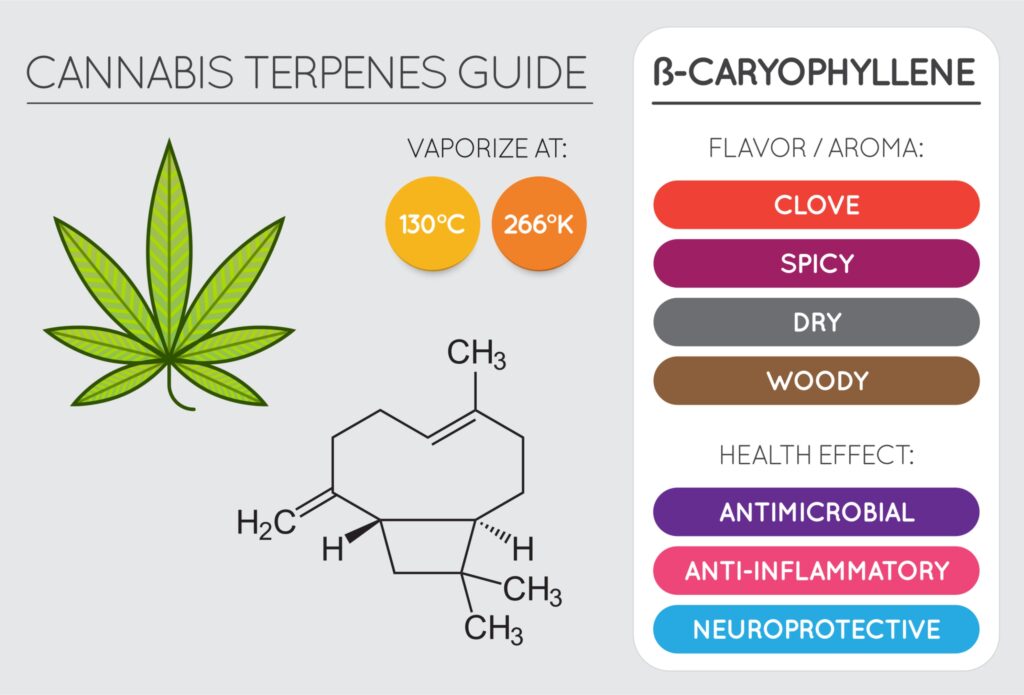
Beta-caryophyllene (BCP) is a naturally occurring organic compound classified as a bicyclic sesquiterpene. It is found in various plants and is recognized for its distinct aroma and therapeutic properties. Chemically, β-caryophyllene is notable for its unique molecular structure, which includes multiple carbon rings. This structure is responsible for its spicy, woody, and peppery scent, as well as its therapeutic potential.
One remarkable aspect of BCP is its ability to interact with the body’s endocannabinoid system (ECS). Unlike many other terpenes, beta-caryophyllene can bind directly to cannabinoid receptors, particularly the CB2 receptor, which plays a key role in regulating inflammation and pain.
Natural Sources of Beta-Caryophyllene
BCP is found in a diverse range of plants across the botanical kingdom, from cannabis to everyday spices used in our kitchens.
Culinary Herbs and Spices
BCP frequently graces our kitchens in the form of various herbs and spices. Cloves, black pepper, basil, oregano, and rosemary are just a few examples of culinary ingredients that contain notable levels of BCP. When you season your food with these aromatic spices, you’re not only enhancing flavor but also introducing a dose of BCP into your diet.
These spices have been cherished throughout history not just for their flavour, but also for their medicinal properties. Traditionally, they have been used for their potential anti-inflammatory, analgesic, and digestive benefits. These properties have been utilized in managing various conditions, from minor discomforts to more complex health issues, including pain management.
Essential Oils
Essential oils extracted from plants like clove, black pepper, and copaiba are rich sources of BCP. These oils are prized for their therapeutic properties, offering a natural way to promote relaxation and well-being. When diffused or applied topically in diluted forms, these essential oils can help alleviate inflammation-related discomfort.
BCP-rich essential oils have also been used to ease different types of pain, including muscle and joint discomfort. Their analgesic properties can provide relief when used in massage or inhalation therapies. Additionally, the pleasant scent of these essential oils can boost mood and improve emotional well-being, making them an excellent choice for relaxation.

Medicinal Plants
BCP is also present in various medicinal plants. For example, hops, a key ingredient in brewing beer, contain significant amounts of β-caryophyllene, which contributes to the herb’s medicinal properties. Basil is another plant that serves as a great source of BCP.
BCP is known for its anti-inflammatory properties, and in traditional medicine, both hops and basil have been used to manage inflammation. They are also used for their analgesic effects, providing comfort from headaches and muscle aches. Additionally, the terpene’s ability to aid digestion aligns with basil’s traditional use in digestive remedies.
BCP in Cannabis
One of the most well-known natural sources of β-caryophyllene is the cannabis plant. Certain strains of cannabis, particularly those classified as “beta-caryophyllene strains,” contain significant amounts of this terpene. BCP plays a crucial role in shaping the aroma and flavour profile of these strains, contributing to their spicy, peppery, and sometimes woody scent. When you crush or break the buds of these strains, you’ll often notice this distinct smell.
Moreover, BCP can influence the overall flavour experience when consuming cannabis. The presence of beta-caryophyllene adds hints of spiciness and earthiness, enriching the diversity of flavours and allowing you to explore a range of aromatic profiles. Beyond its aromatic contribution, BCP offers numerous therapeutic benefits when consumed alongside other cannabinoids.
BCP for Diabetes: Potential Benefits
Recent studies have shown promising beta-caryophyllene diabetes effects, particularly in its ability to regulate blood sugar levels. BCP has been found to influence the body’s glucose metabolism, potentially aiding in the management of diabetes. Research into beta-caryophyllene blood sugar effects suggests that this terpene may help improve insulin sensitivity and reduce inflammation, both of which are crucial in managing diabetes.
How is BCP Extracted for Use?
Although BCP is naturally abundant in various plant sources, extracting this compound requires specific techniques:
Steam Distillation
This method involves passing steam through plant material to extract essential oils, including BCP.
Solvent Extraction
Organic solvents like ethanol or hexane are used to dissolve BCP from plant material. After extraction, the solvent is evaporated, leaving behind BCP-rich oil.
Supercritical CO2 Extraction
This advanced method uses carbon dioxide in its supercritical state to extract BCP and other compounds, yielding pure extracts.
Cold Press Extraction
Mechanical pressure is applied to the plant material to release essential oils, including BCP. This method is primarily used for citrus fruits.
Importance of Purity and Quality
When using BCP for medicinal or wellness purposes, ensuring the purity and quality of extracts is crucial. High-quality BCP extracts offer consistent dosing, ensuring that users experience the desired effects every time. Moreover, maintaining quality control is essential to eliminate harmful substances, ensuring that users receive the full therapeutic benefits without any contaminants or dilution.
In Summary
In summary, BCP is found abundantly in different plants and offers a natural health boost from nature’s pantry. Whether you’re interested in its culinary uses, essential oils, or the benefits of beta-caryophyllene strains in cannabis, BCP is a versatile compound with a wide range of applications. Additionally, its potential role in managing diabetes highlights the growing interest in BCP’s therapeutic potential.
For more information on Beta-Caryophyllene and its health benefits, continue exploring our resources and discover how this remarkable terpene can enhance your wellness journey.
FAQs
What is Beta-Caryophyllene (BCP)?
Beta-caryophyllene (BCP) is a naturally occurring organic compound classified as a bicyclic sesquiterpene. It’s found in various plants and is known for its spicy, woody, and peppery aroma. Beta-Caryophyllene health benefits is unique because it can interact with the body’s endocannabinoid system (ECS), particularly the CB2 receptor, making it beneficial for managing inflammation and pain.
Which plants are natural sources of BCP?
BCP is found in a wide range of plants, including culinary herbs and spices like black pepper, cloves, basil, oregano, and rosemary. It’s also abundant in essential oils extracted from plants like clove and black pepper, as well as in medicinal plants like hops and cannabis, particularly in strains classified as “beta-caryophyllene strains.”
How does BCP in cannabis affect its aroma and flavour?
BCP plays a crucial role in shaping the aroma and flavour profile of certain cannabis strains. It contributes to the spicy, peppery, and sometimes woody scent, and adds hints of spiciness and earthiness to the overall flavour experience, enriching the diversity of flavours in cannabis.
What are the potential benefits of BCP for managing diabetes?
Improving insulin sensitivity and reducing inflammation are essential steps in controlling blood sugar levels. BCP has shown promising effects in managing diabetes, with research highlighting its potential to support metabolic balance and overall wellness.
What methods are used to extract BCP for use in products?
BCP can be extracted using several methods, including steam distillation, solvent extraction, supercritical CO2 extraction, and cold press extraction. Each method has its advantages, with supercritical CO2 extraction being known for yielding pure extracts.



One thought on “Unveiling Beta-Caryophyllene: Discover Its Natural Sources and Health Benefits”
Comments are closed.